2025 Havana
SEE: An Exercise in Recognition
I began working at Quinta de los Molinos, Havana’s Botanical Garden, through a project documenting the work activities of people with intellectual disabilities who participate in its social inclusion program. The institution provides opportunities for people with disabilities to develop skills and take part in working and social life. Through this process, I became aware of a network of mothers whose presence, although less visible, was essential to sustaining that experience. Their lives were shaped by the everyday demands of care and by the social barriers faced by their children.
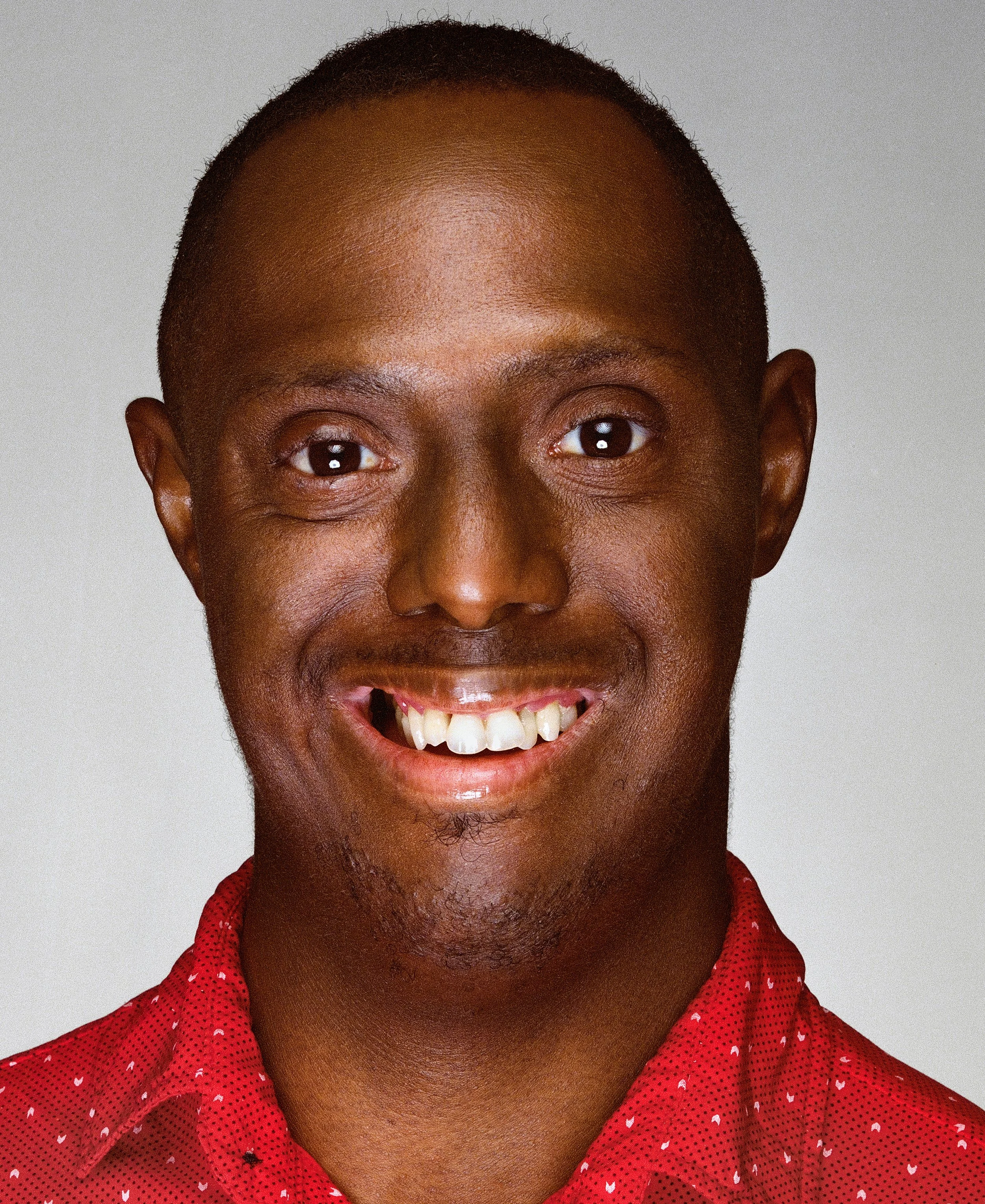
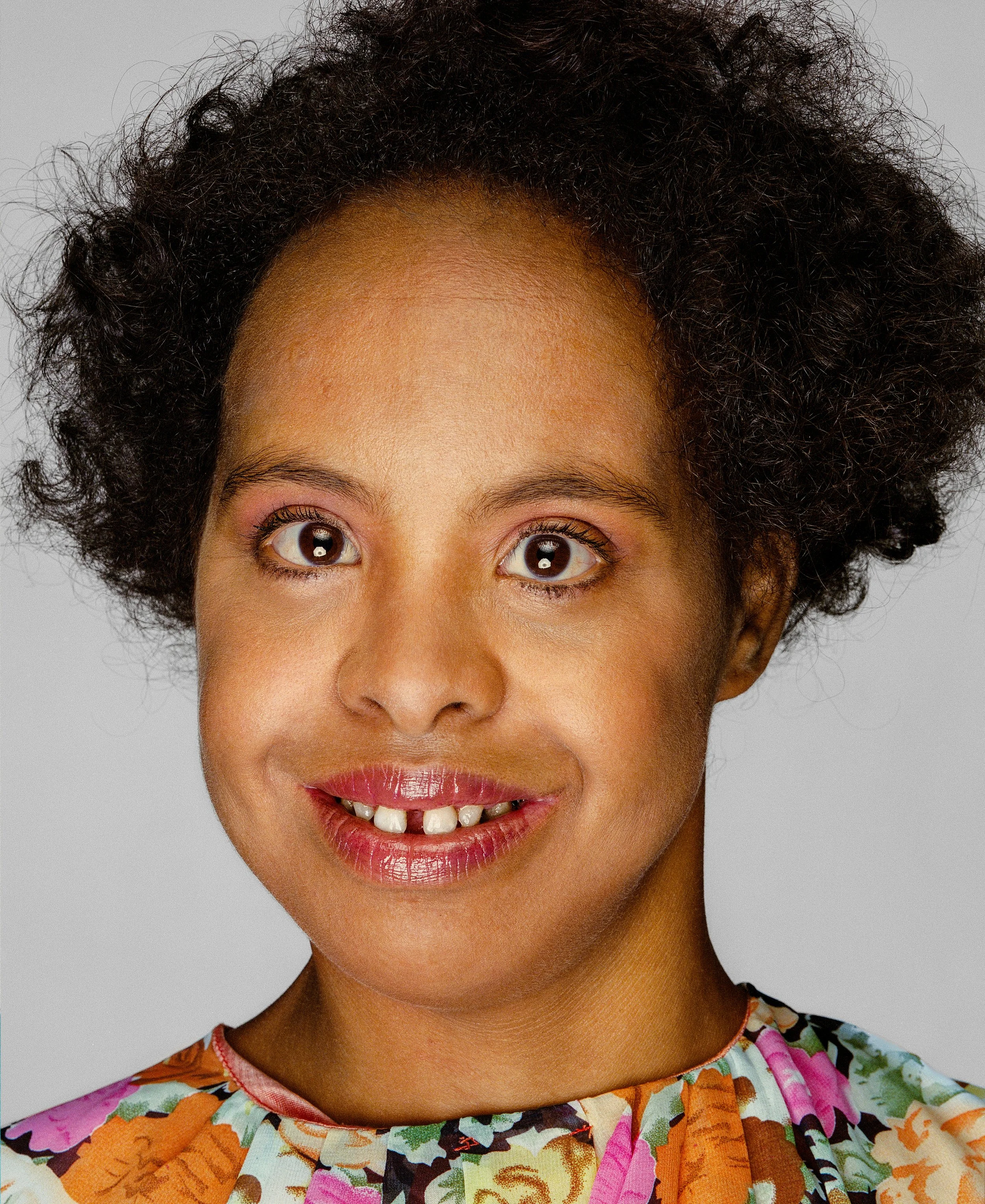
This encounter led me to propose a series of close-up portraits of young people with intellectual disabilities alongside their mothers. I wanted to create images in which both could occupy the center, rather than be defined by the labels and stereotypes through which disability is often represented. The portraits seek to make room for other forms of identification, allowing those portrayed, as well as those looking at them, to recognize themselves beyond these conventions.
The project also includes a sound installation built from conversations with the mothers. Their voices bring together memories of raising their children, difficult experiences, moments of joy, and the everyday challenges of caring in a society that often fails to provide the necessary support and recognition. The sound does not explain the photographs; it creates another space of representation in which these women can speak from their own experience.
The work has a feminist dimension in its attention to care, a form of labor historically assigned to women and often made invisible. Rather than presenting mothers solely through their relationship with their children, the project acknowledges them as individuals with their own stories, desires, and contradictions, beyond narratives of sacrifice or overcoming adversity.
SEE: An Exercise in Recognition asks who gets to occupy the center of an image, who is able to recognize themselves in it, and whose experiences remain outside dominant representations. Rather than offering an exemplary image of inclusion, the project proposes other ways of seeing and representing lives that have long been pushed to the margins.
The Campaign
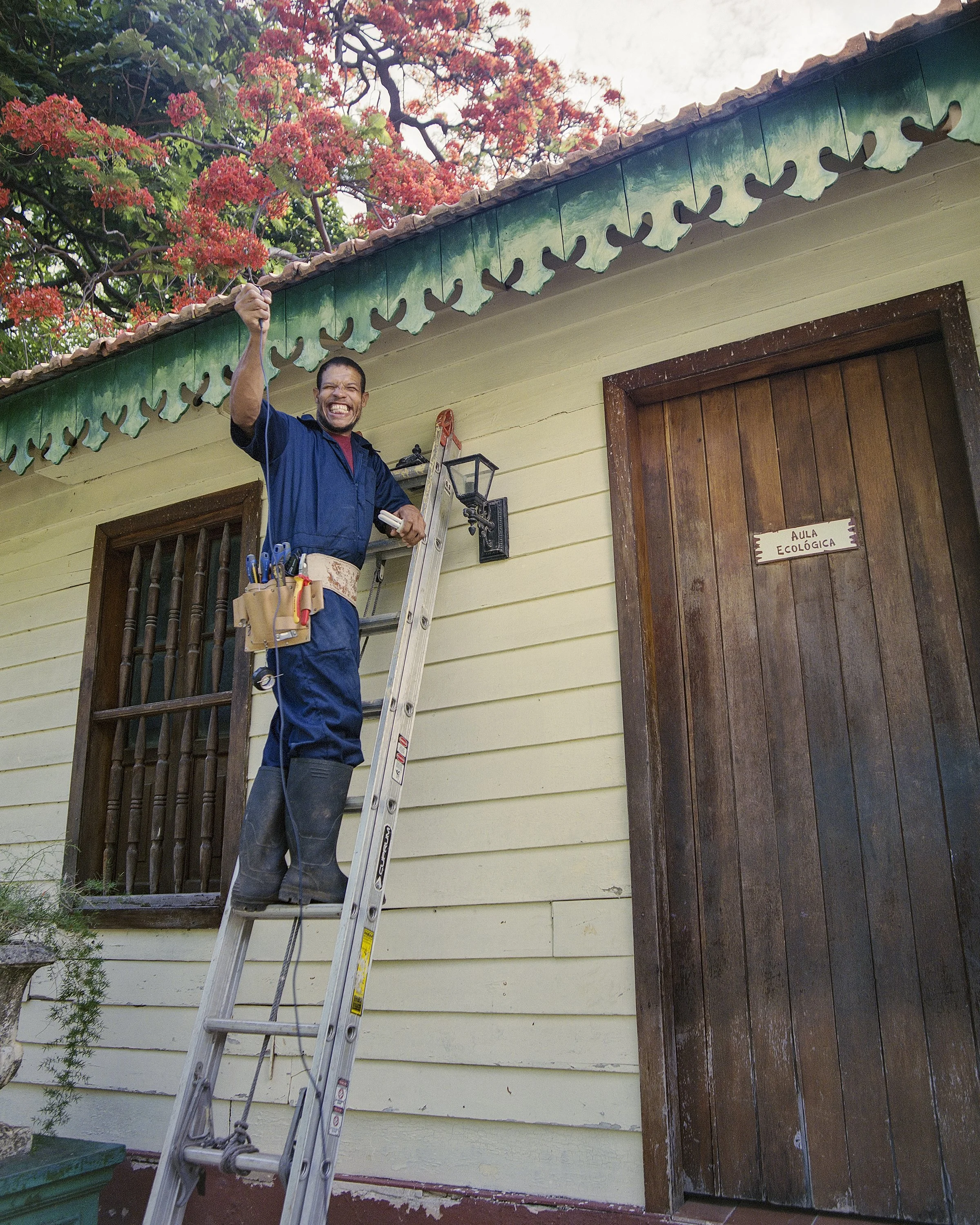
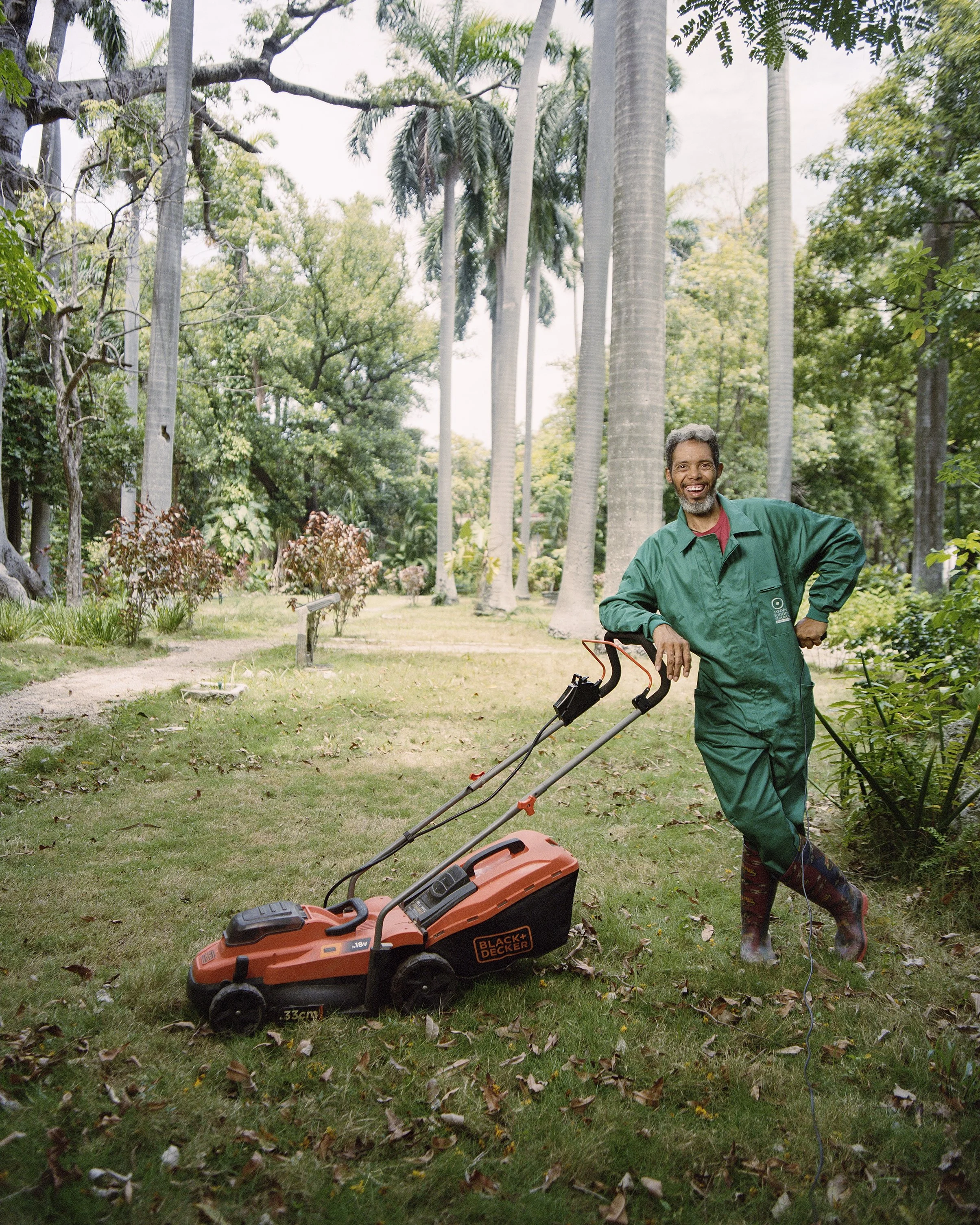
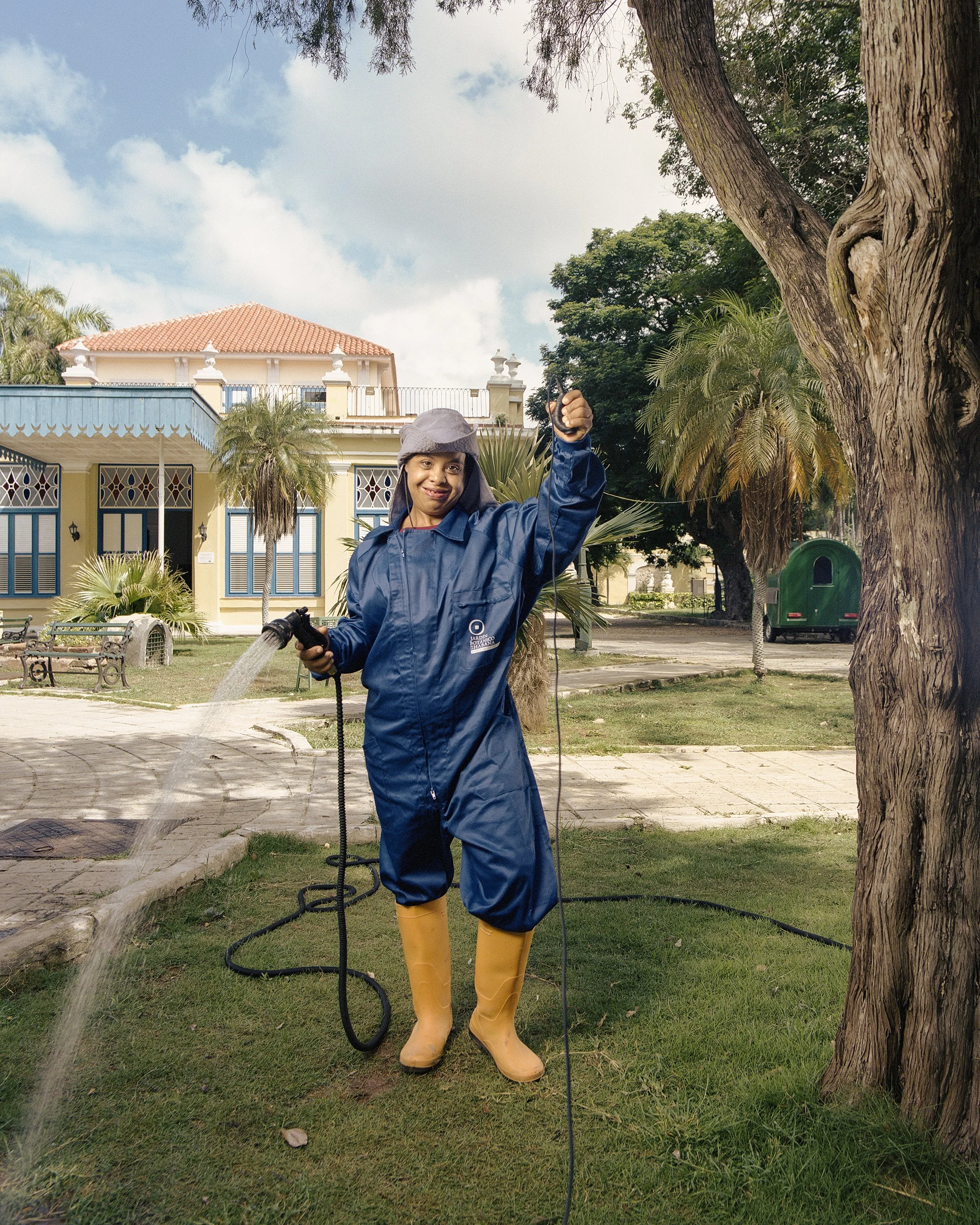
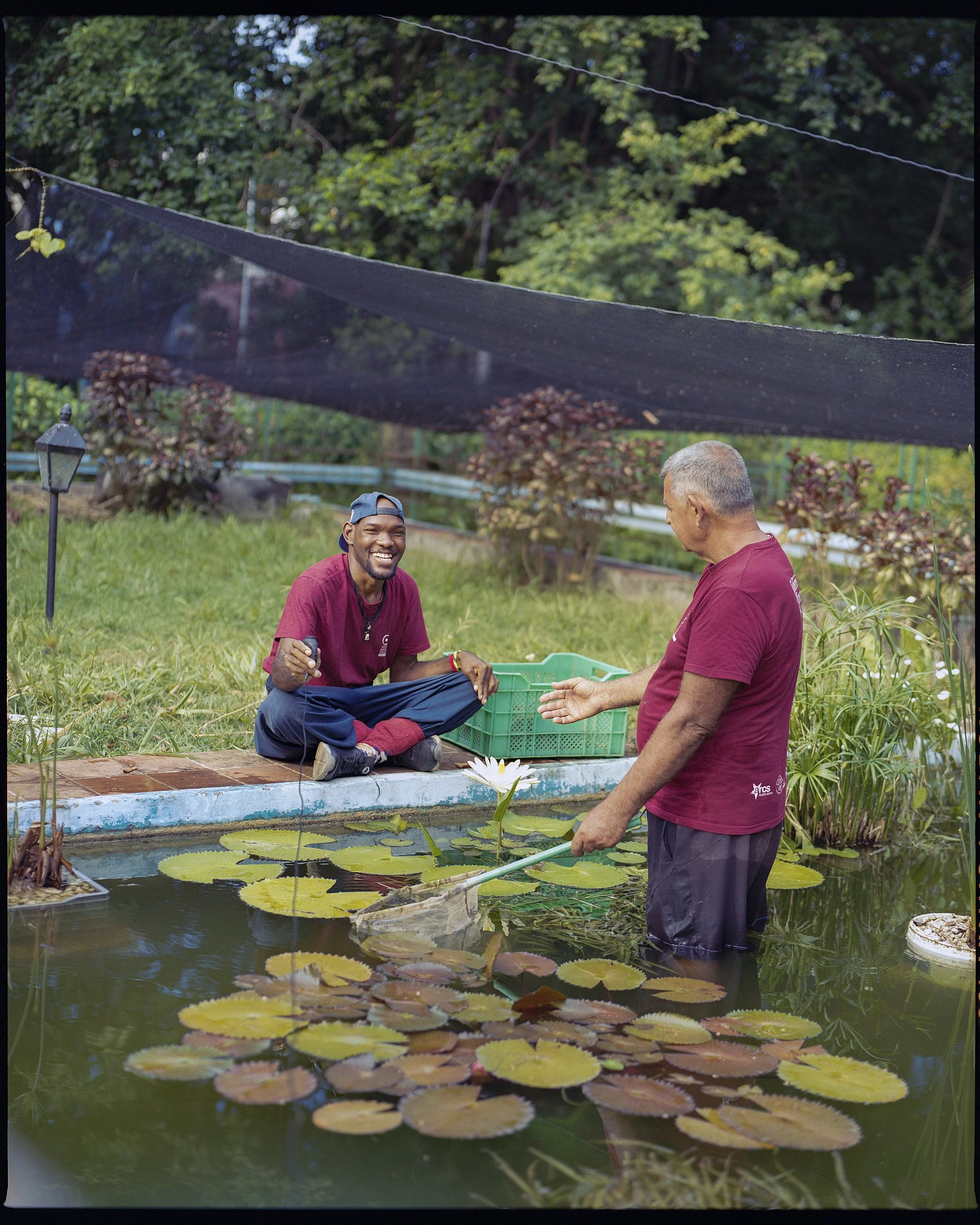
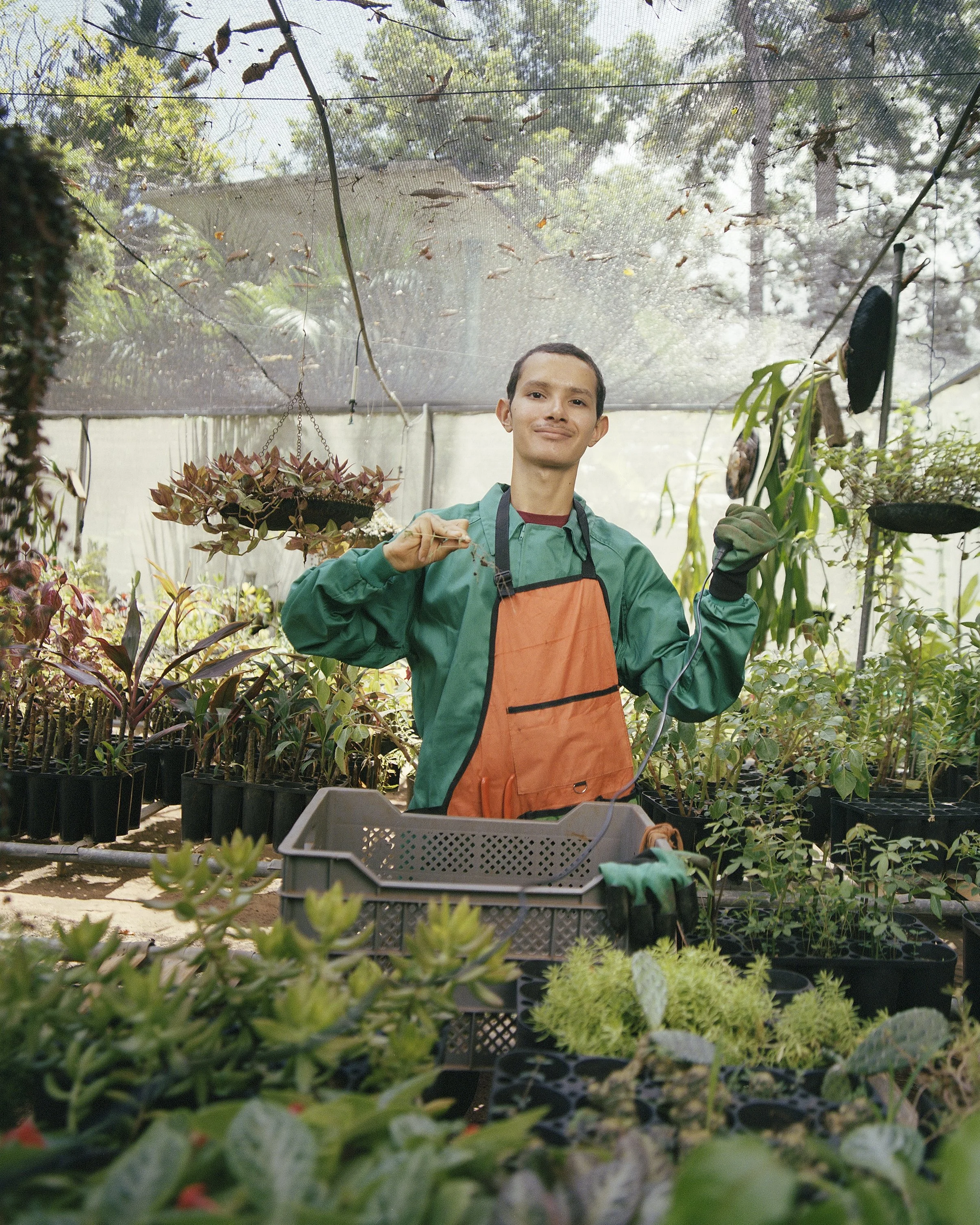
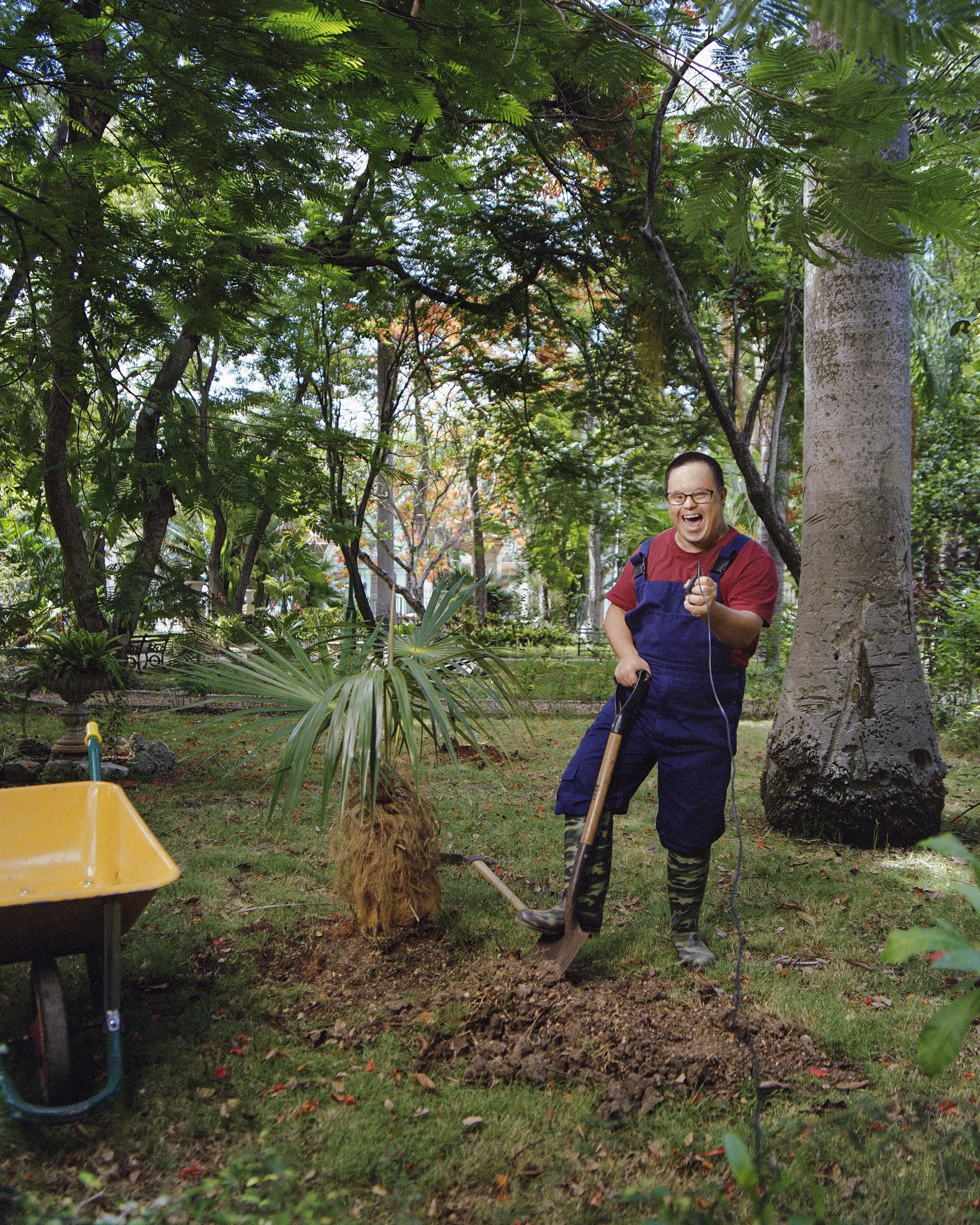
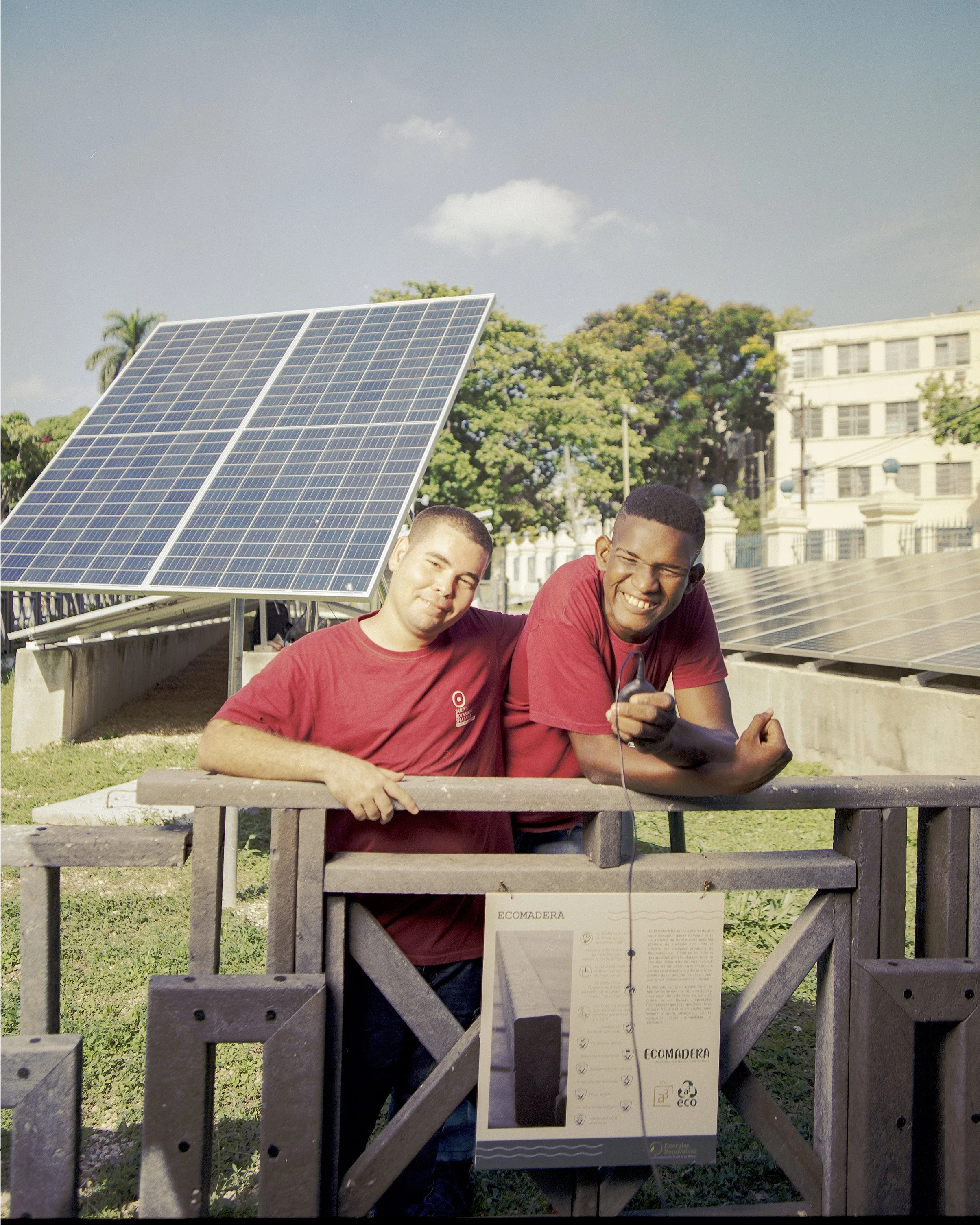
These photographs were produced as part of a campaign by Quinta de los Molinos to highlight its social inclusion program and the people who bring it to life. I wanted to portray the participants through their everyday work and interactions, emphasizing their active presence and individuality rather than reproducing passive or stereotypical representations of disability.
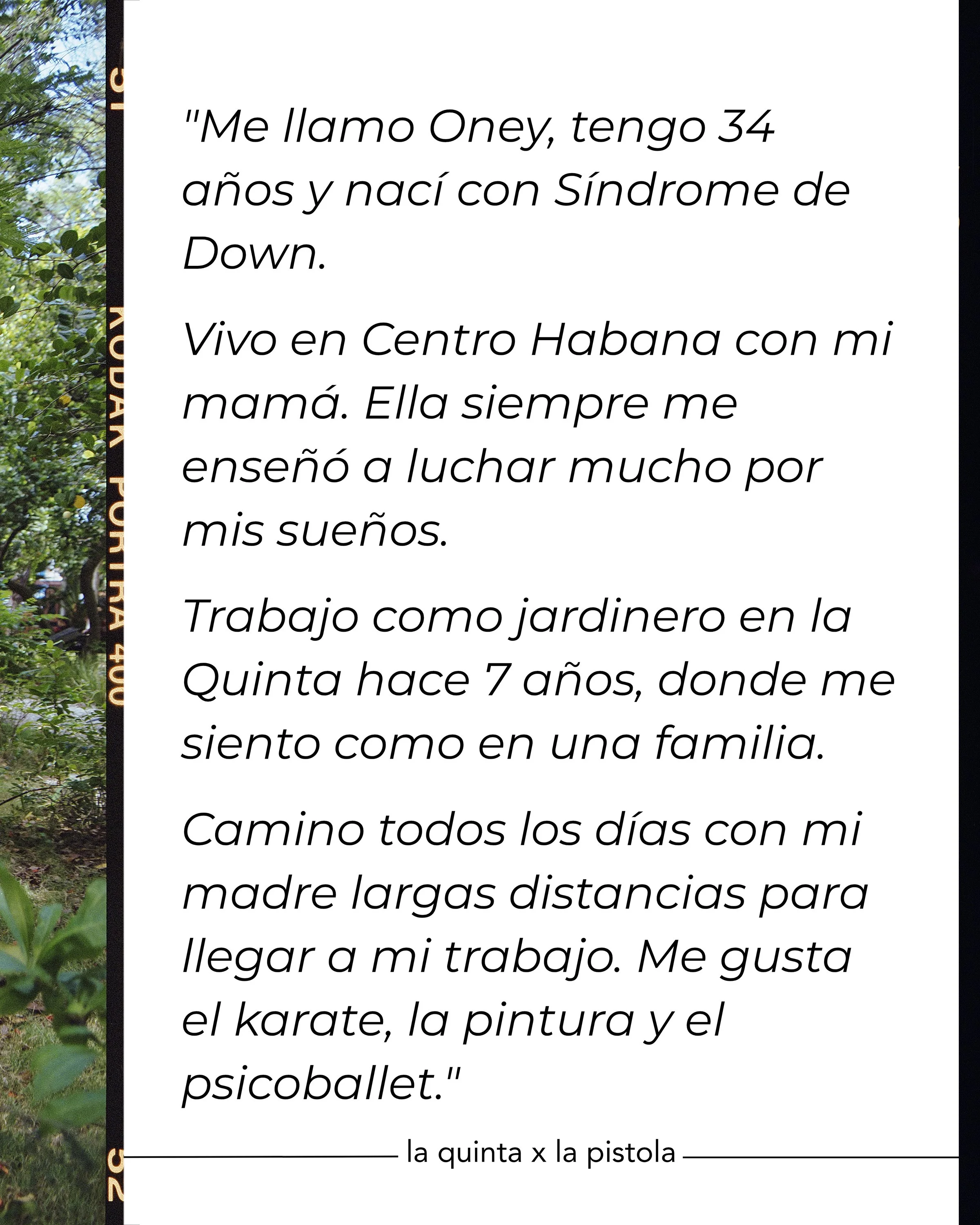
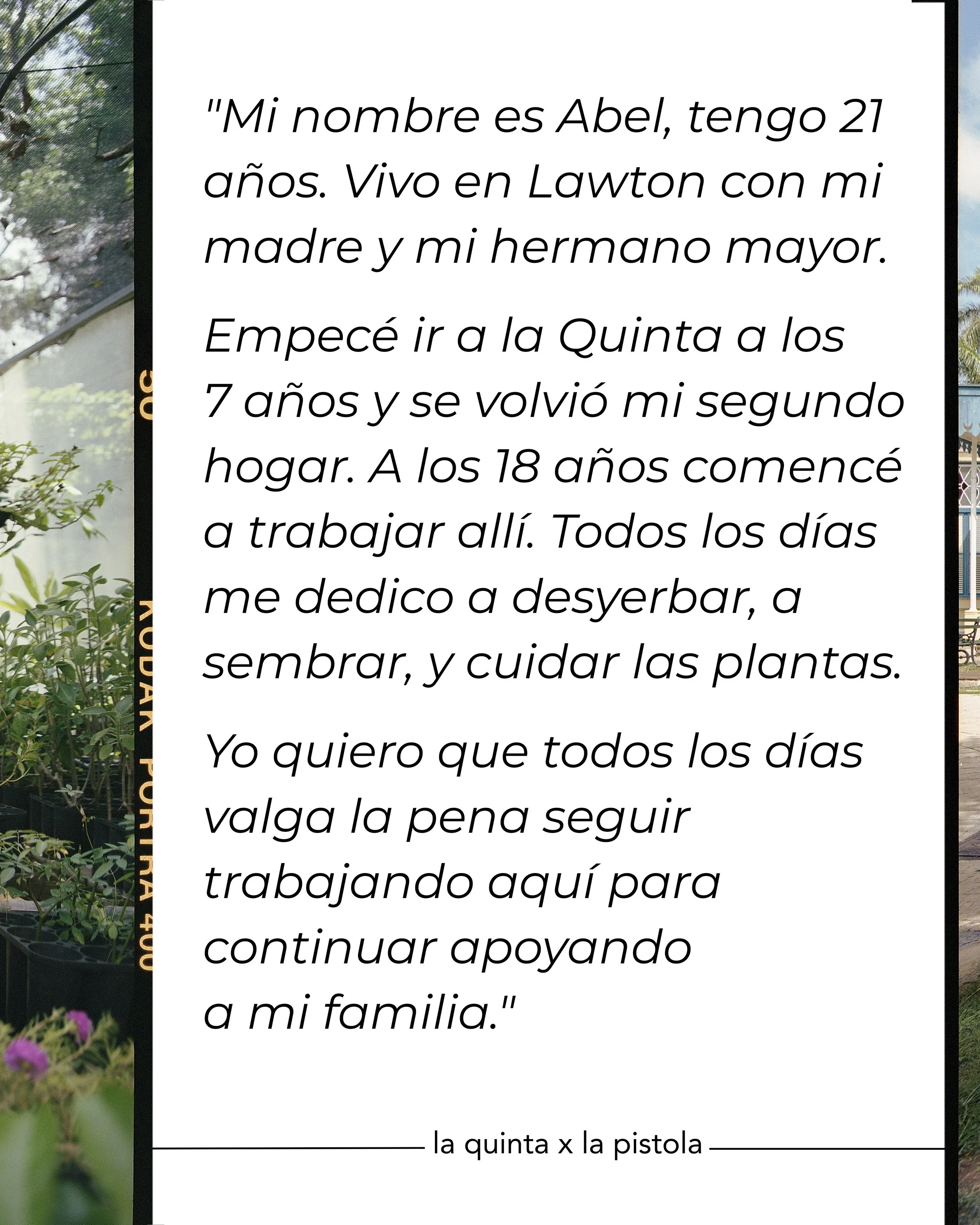
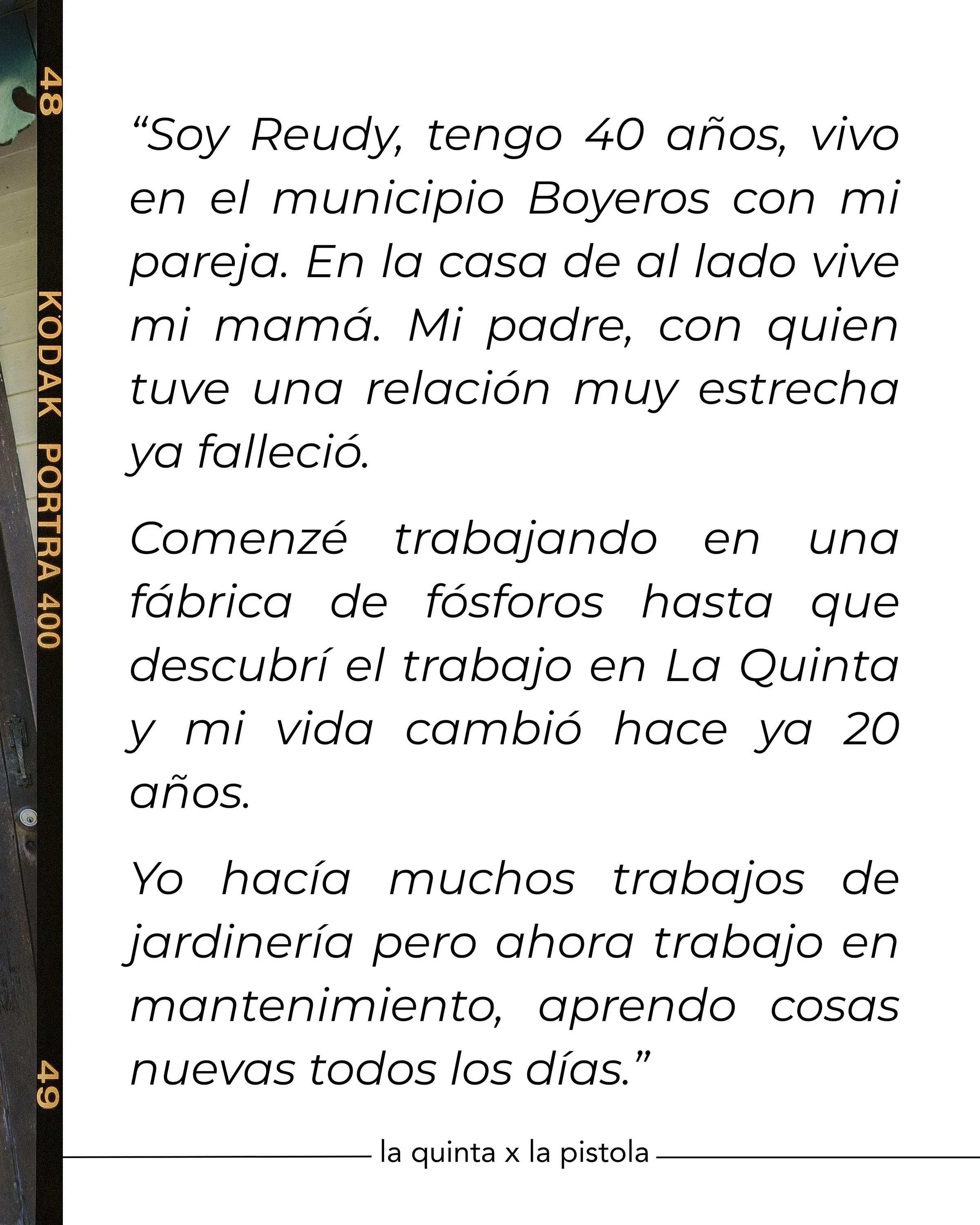
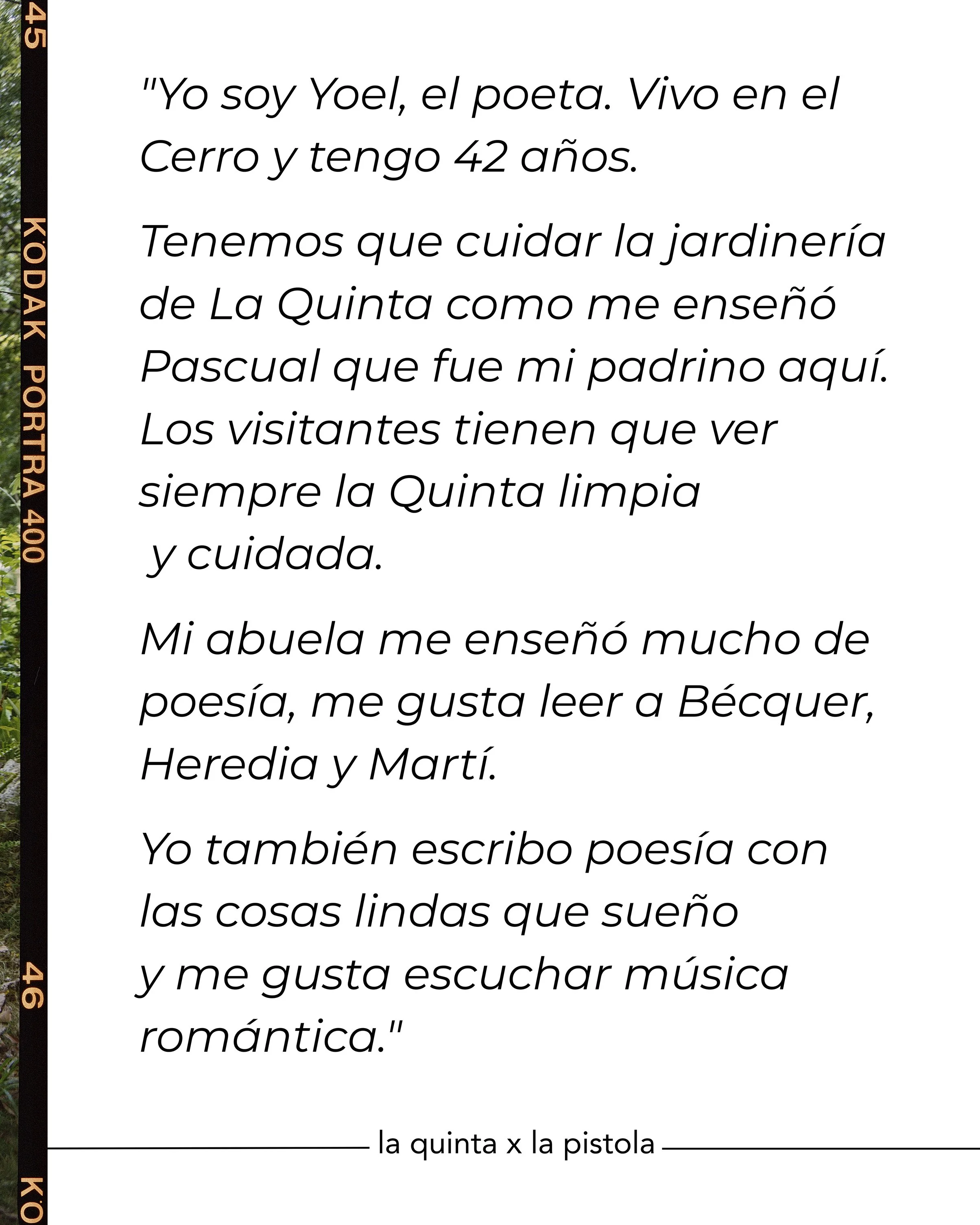
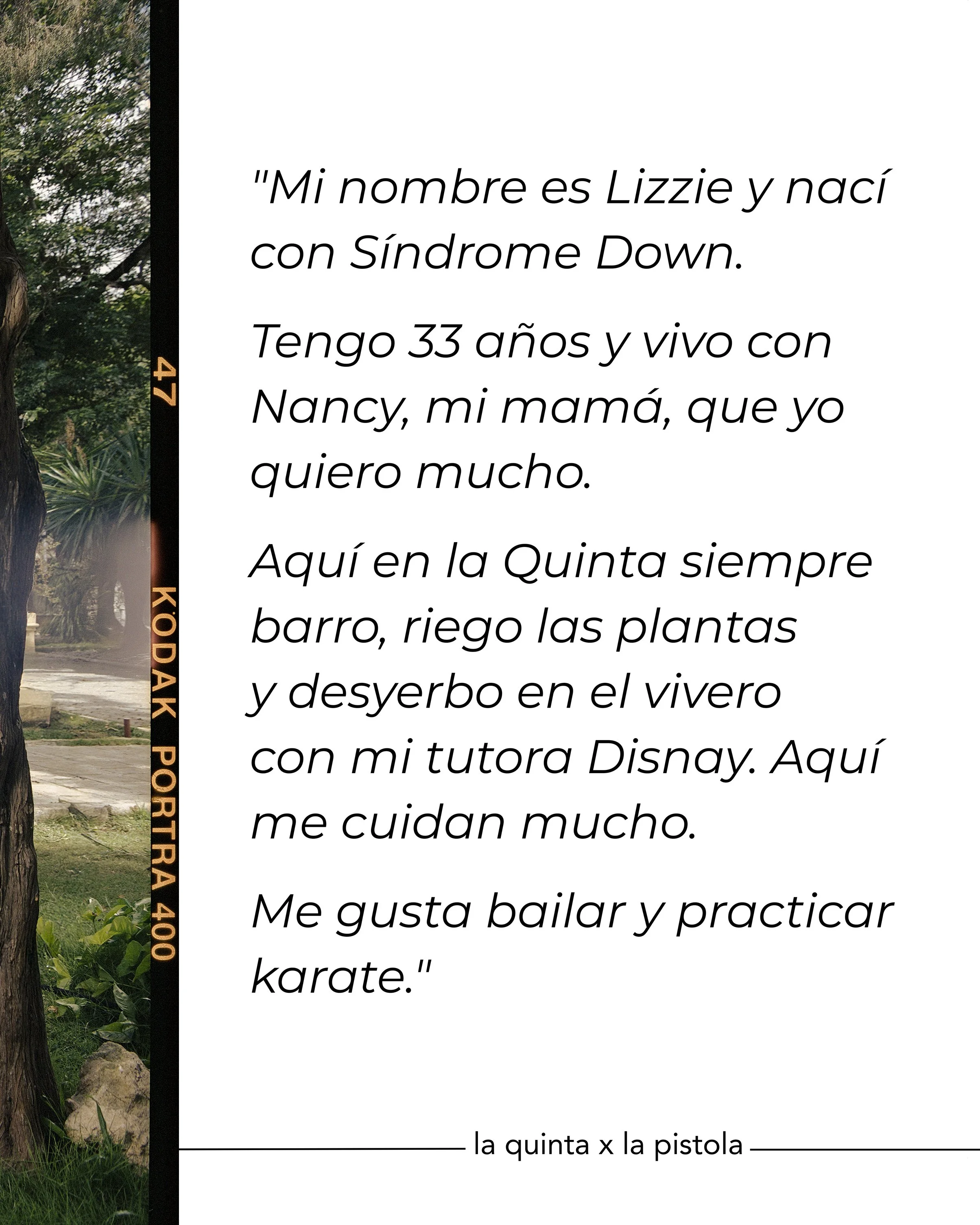
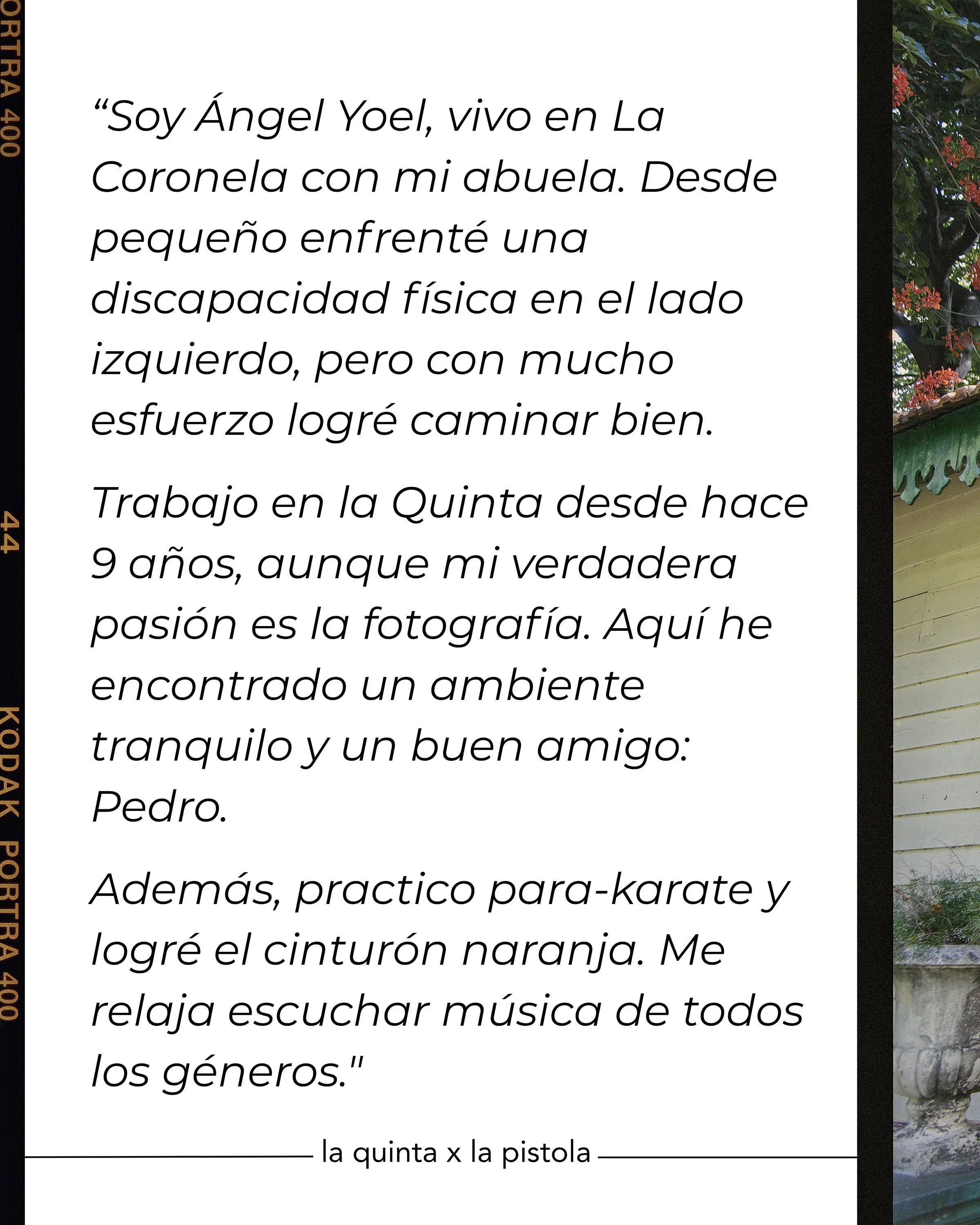
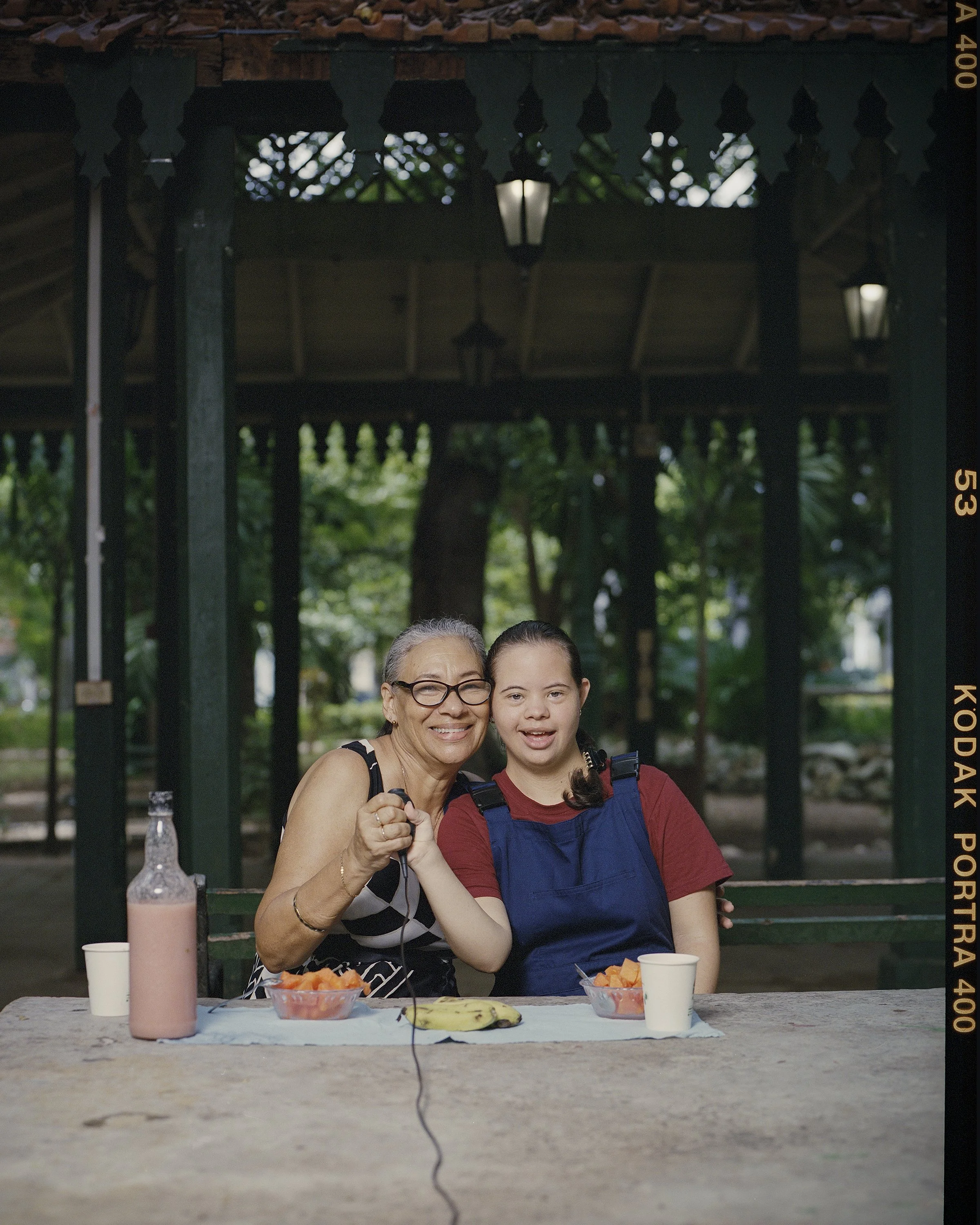
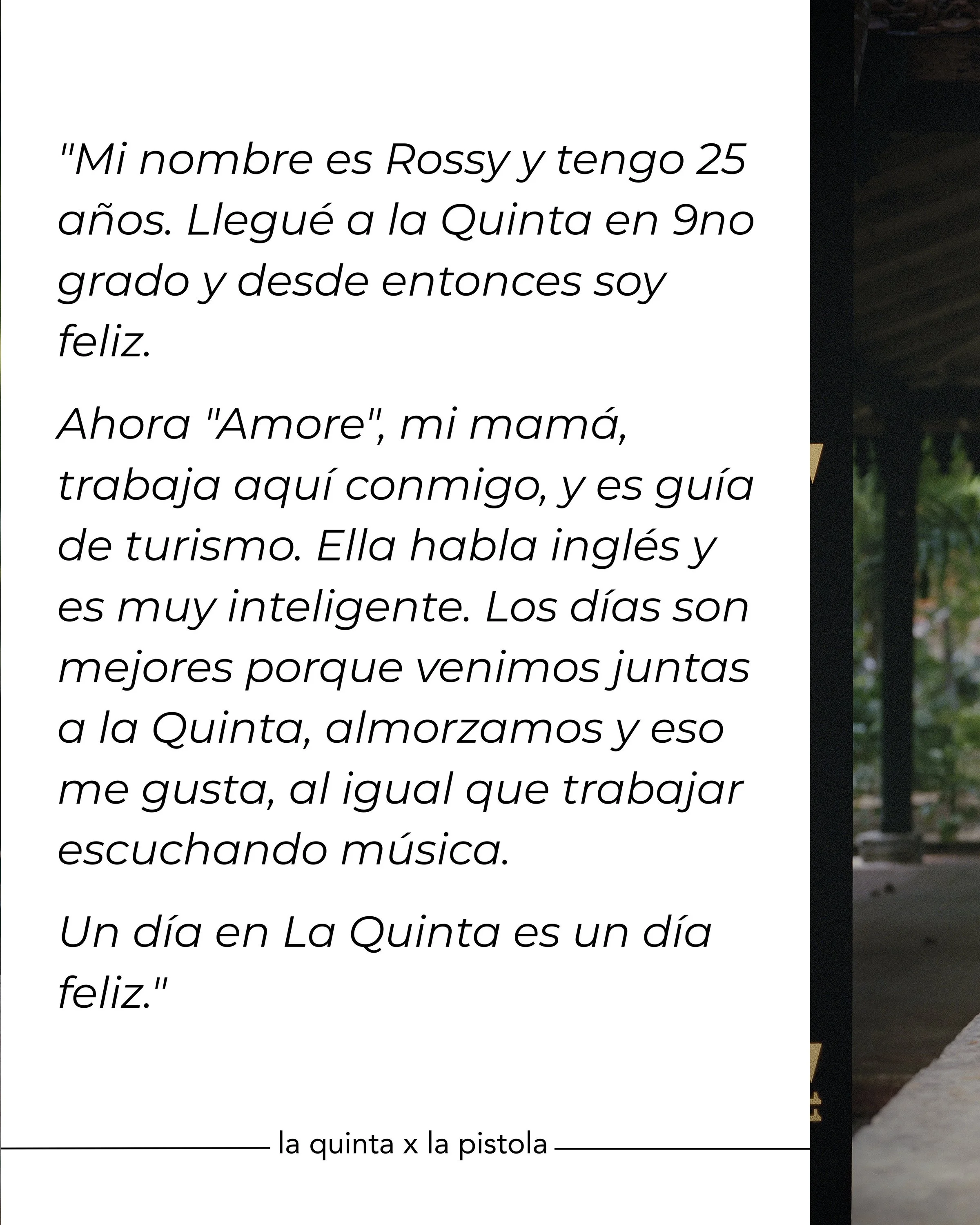
I also invited them to use my camera’s shutter release, giving them the opportunity to intervene in the photographic process and symbolically participate in the construction of their own images. Their personal accounts, presented alongside the photographs in their own words, extend this gesture of self-representation.
CLOSE UP
SEE: An Exercise in Recognition
The portraits bring together color photographs of the young people and black-and-white photographs of their mothers. This contrast emerged from the material circumstances of the project: as I spontaneously expanded the work during its production in Havana, I had run out of Kodak Portra film and had only a few rolls of Ilford left, enough for just two exposures per mother. However, the difference between these two color registers gradually acquired a meaning of its own. Black and white lends the mothers’ portraits a particular solemnity and establishes a visual distinction between two groups who, beyond their family ties, occupy different positions within social life.
I was aware that this choice could evoke associations between black and white, loss, and a lack of vitality, potentially reinforcing the stereotype of the mother worn down by caregiving. Instead, I wanted this visual distinction to make it possible to recognize the mothers through their own stories and experiences, rather than solely in relation to their children. Motherhood is also a socially constructed position, shaped by expectations and responsibilities that fall disproportionately on women, within a deeply unequal and gendered organization of care.
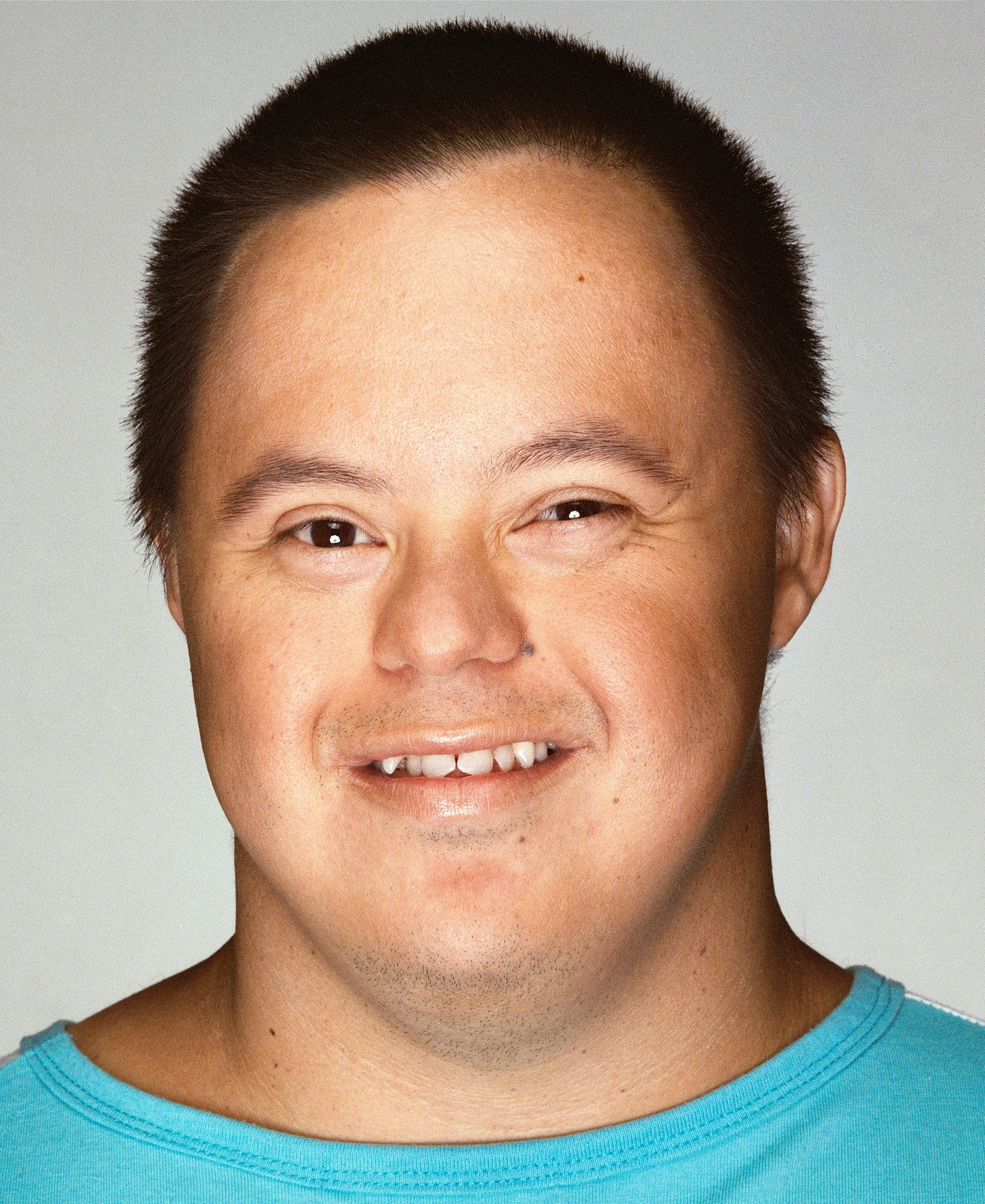
Oney
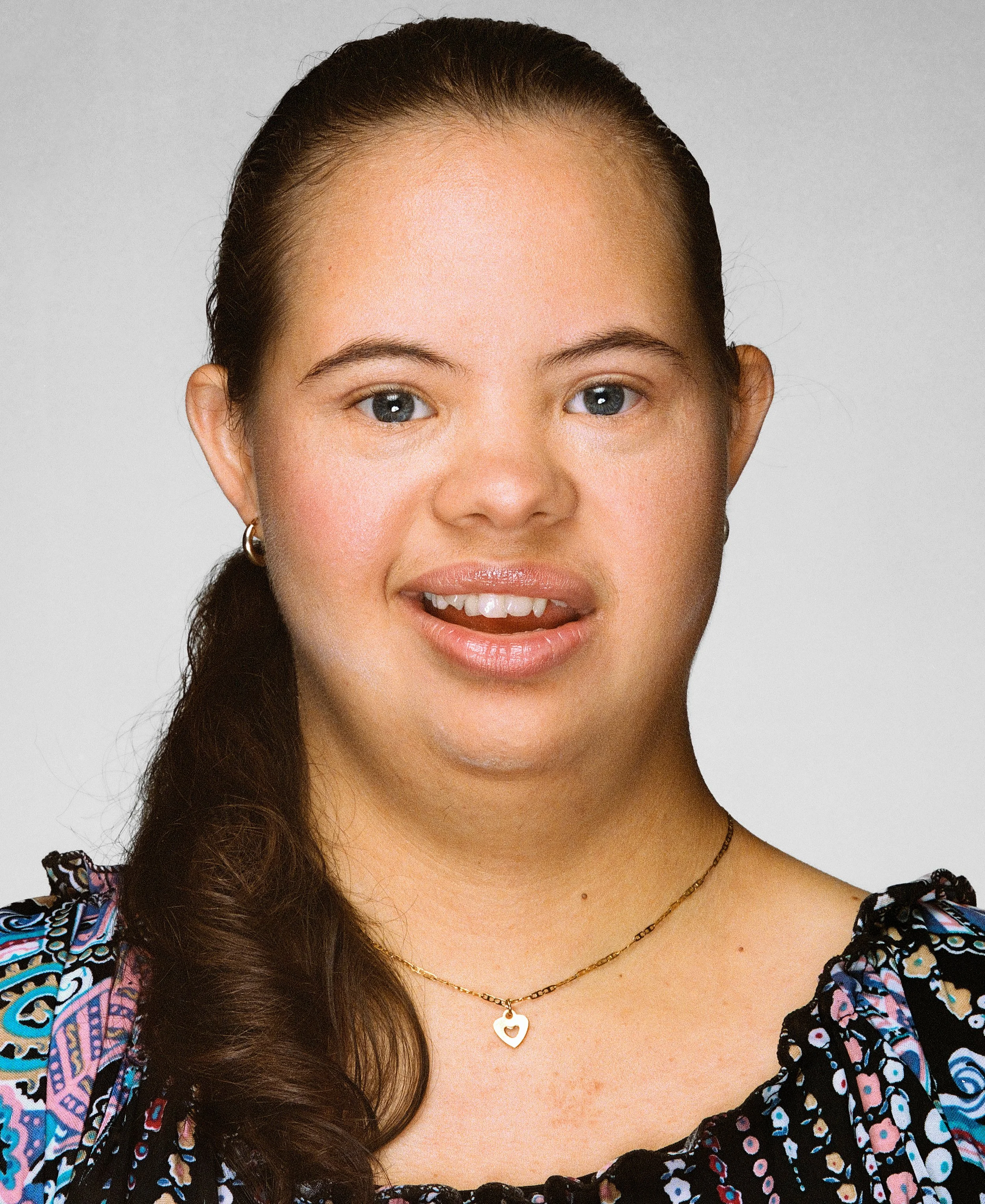
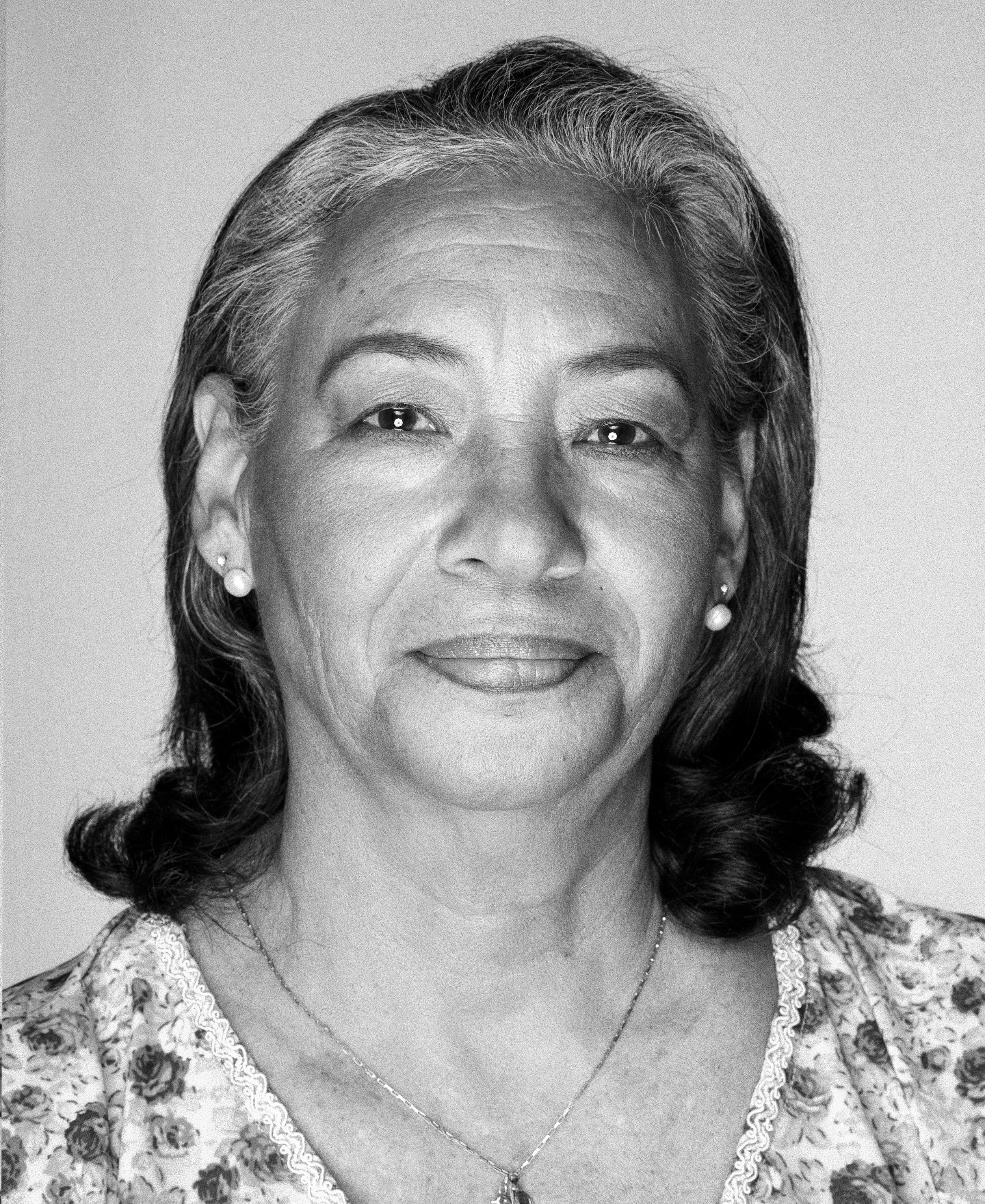
Rossy
Nervys (Rossy´s Mother)
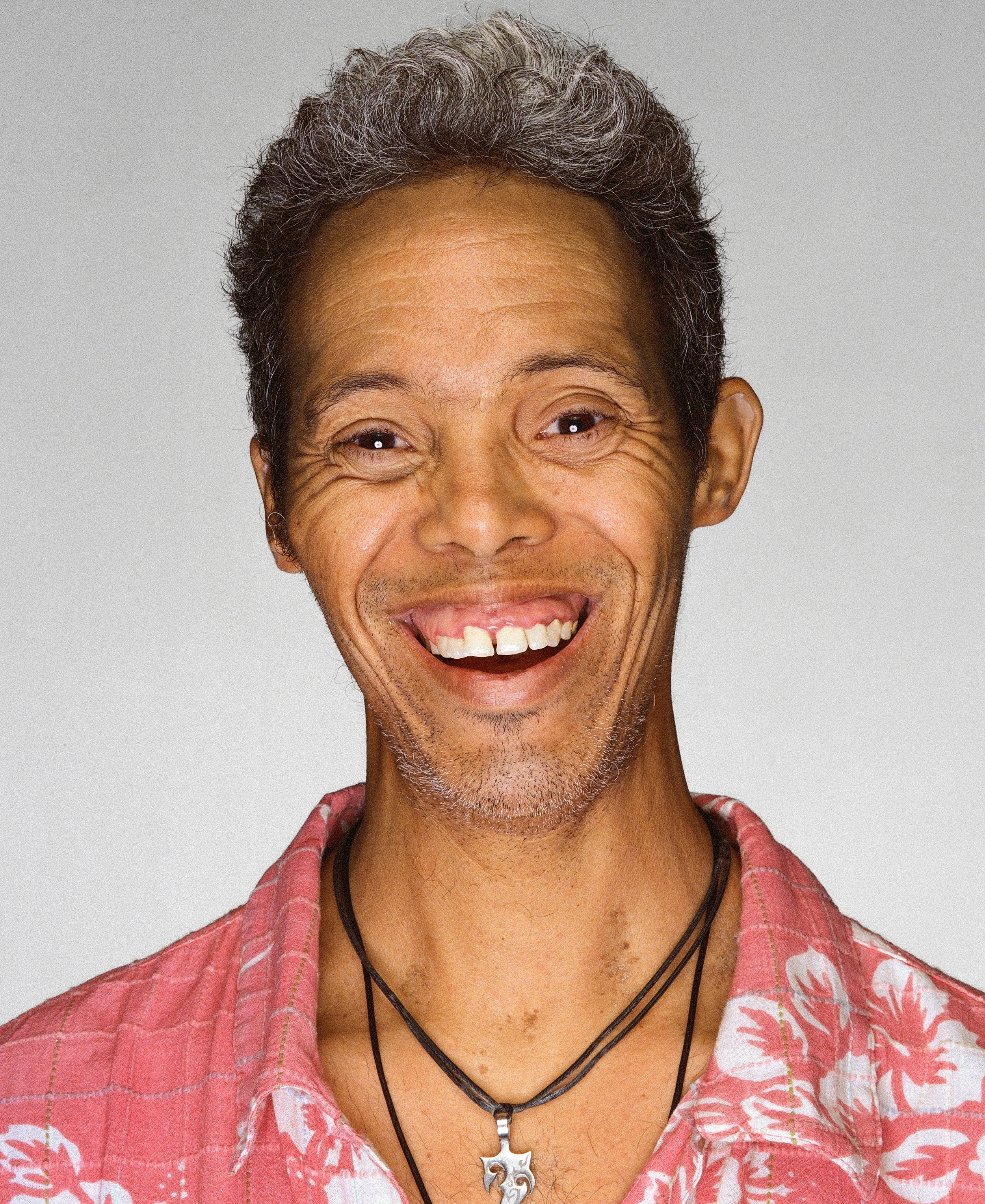
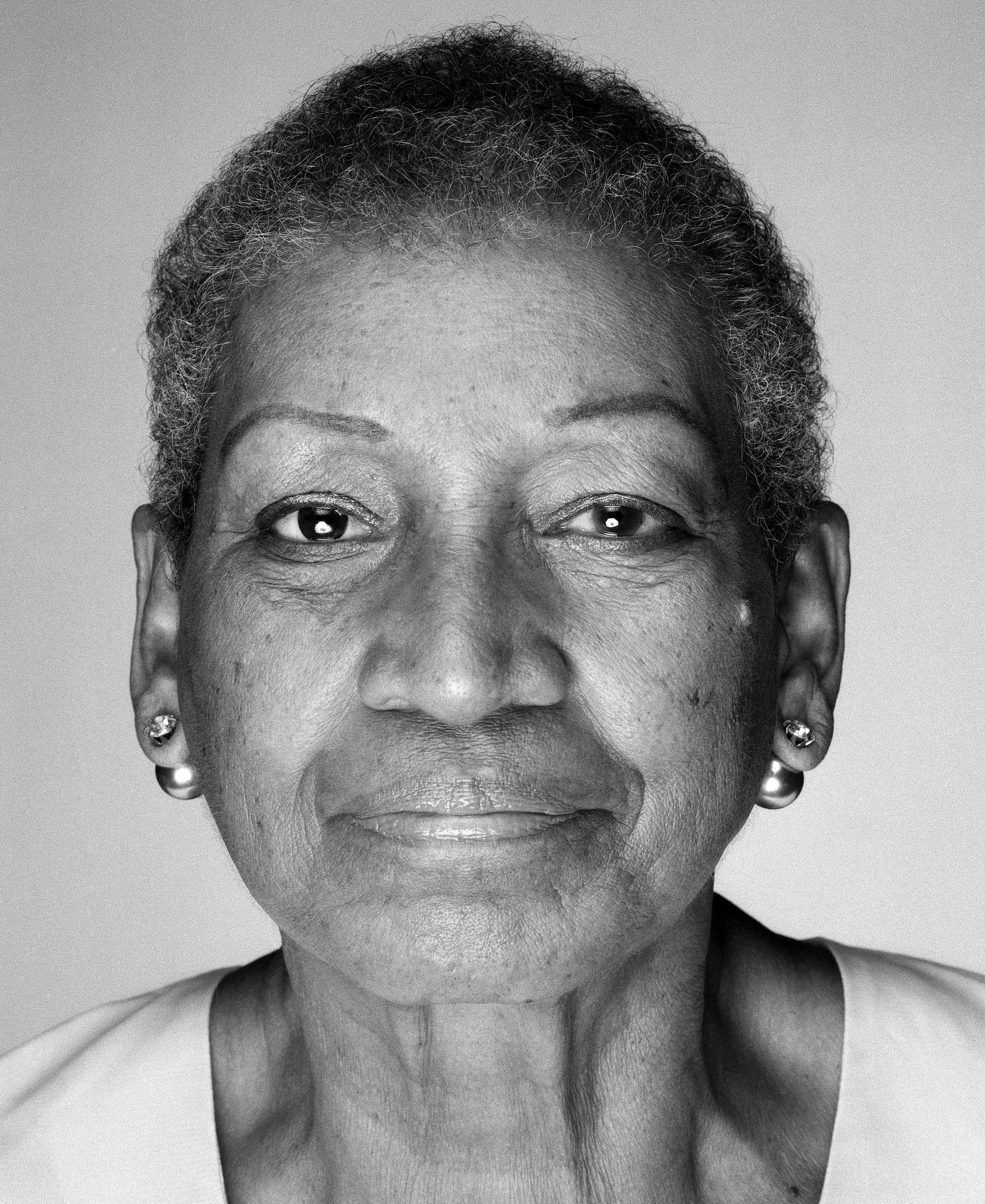
Rita (Yoel´s Mother)
Yoel
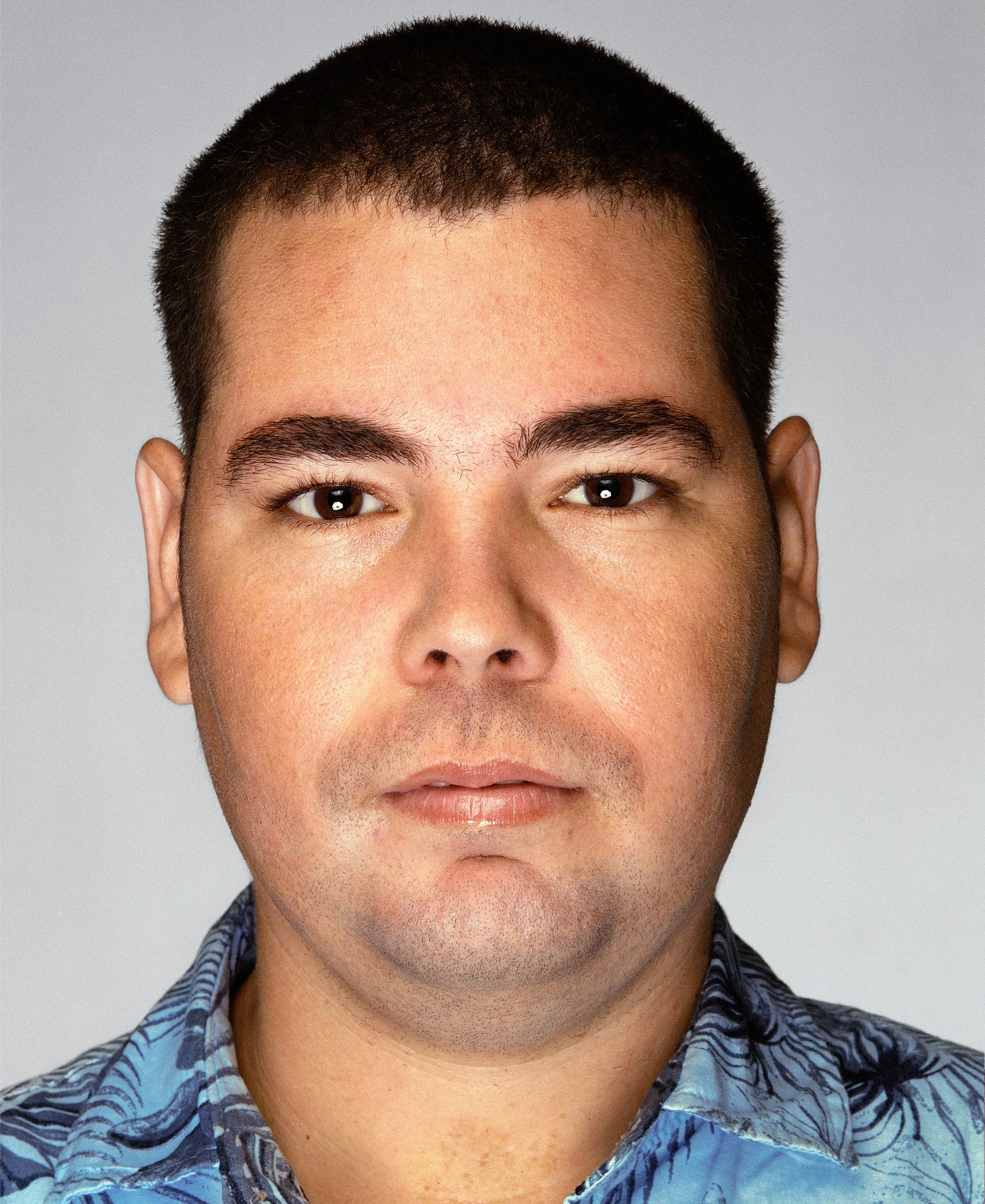
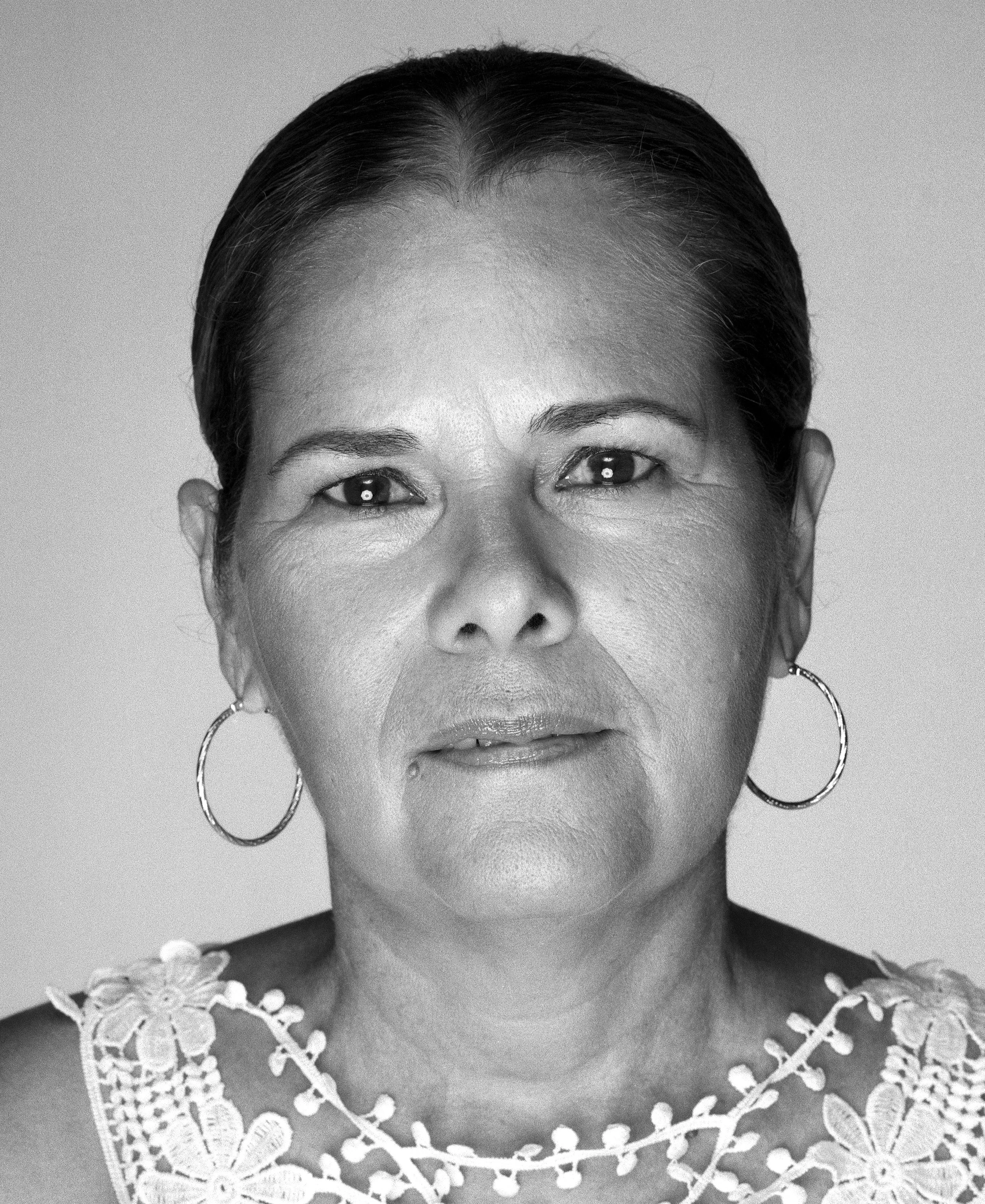
Mario Sergio
Odelaisy (Mario Sergio´s Mother)
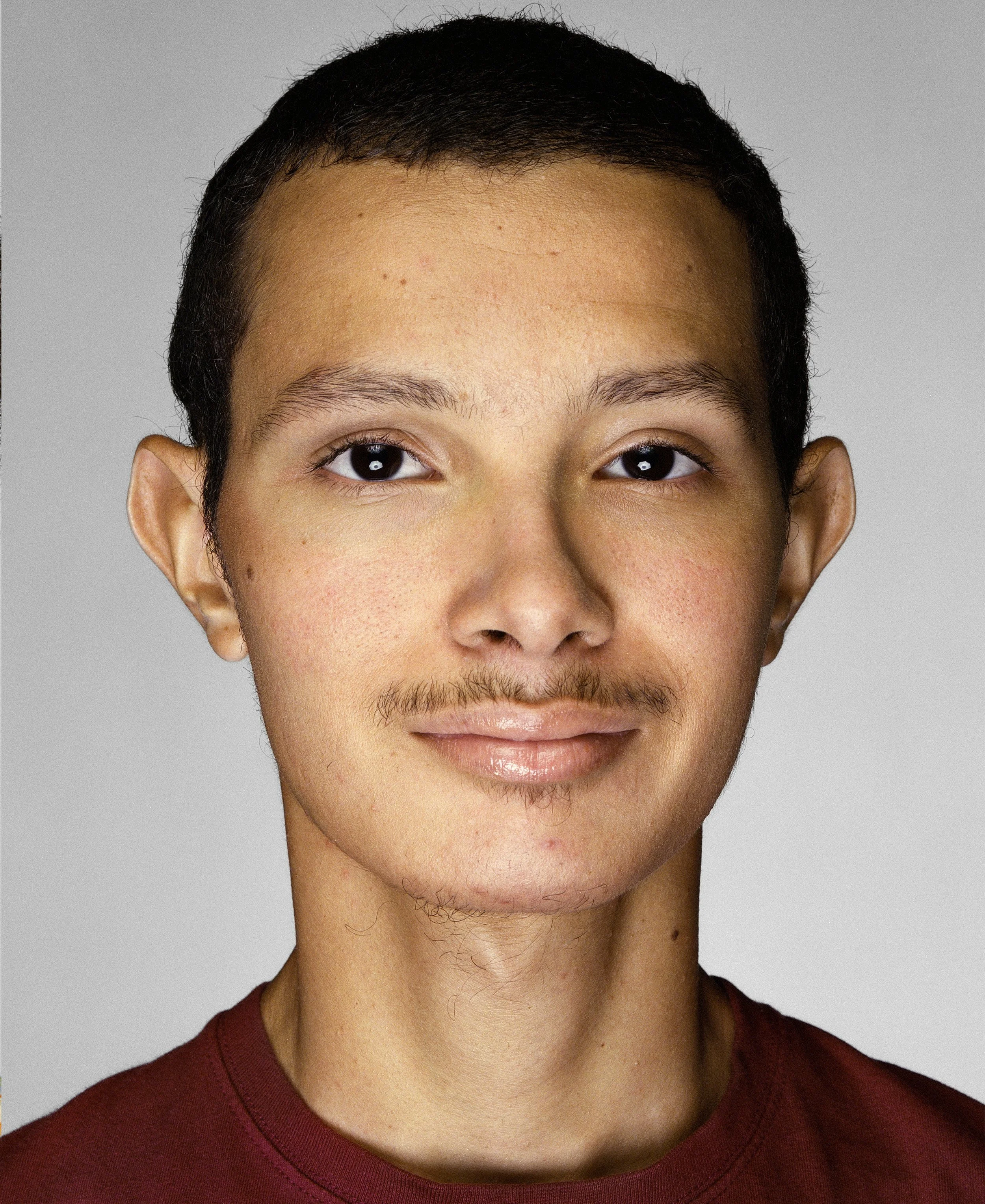
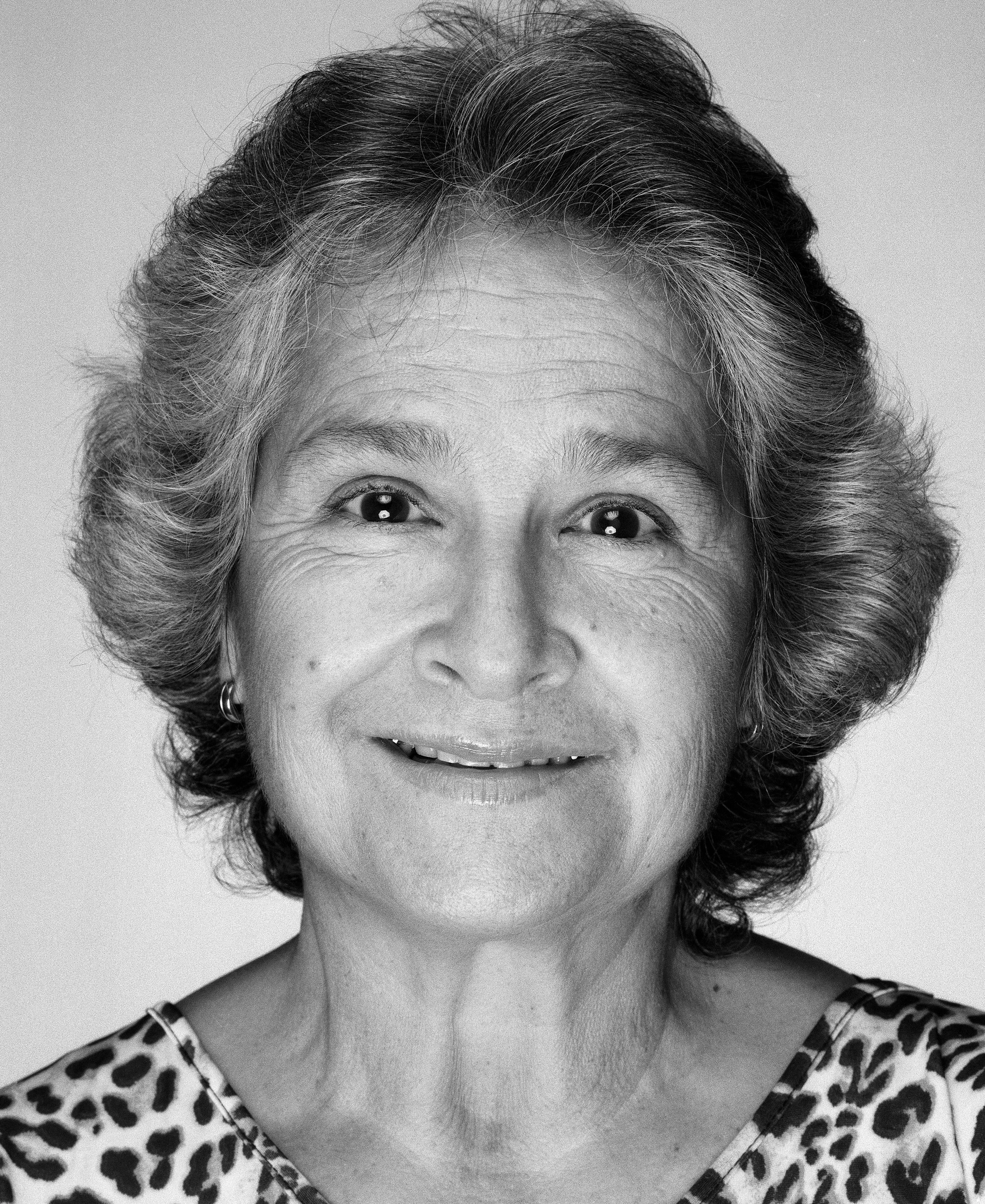
Jaqueline (Abel´s Mother)
Abel
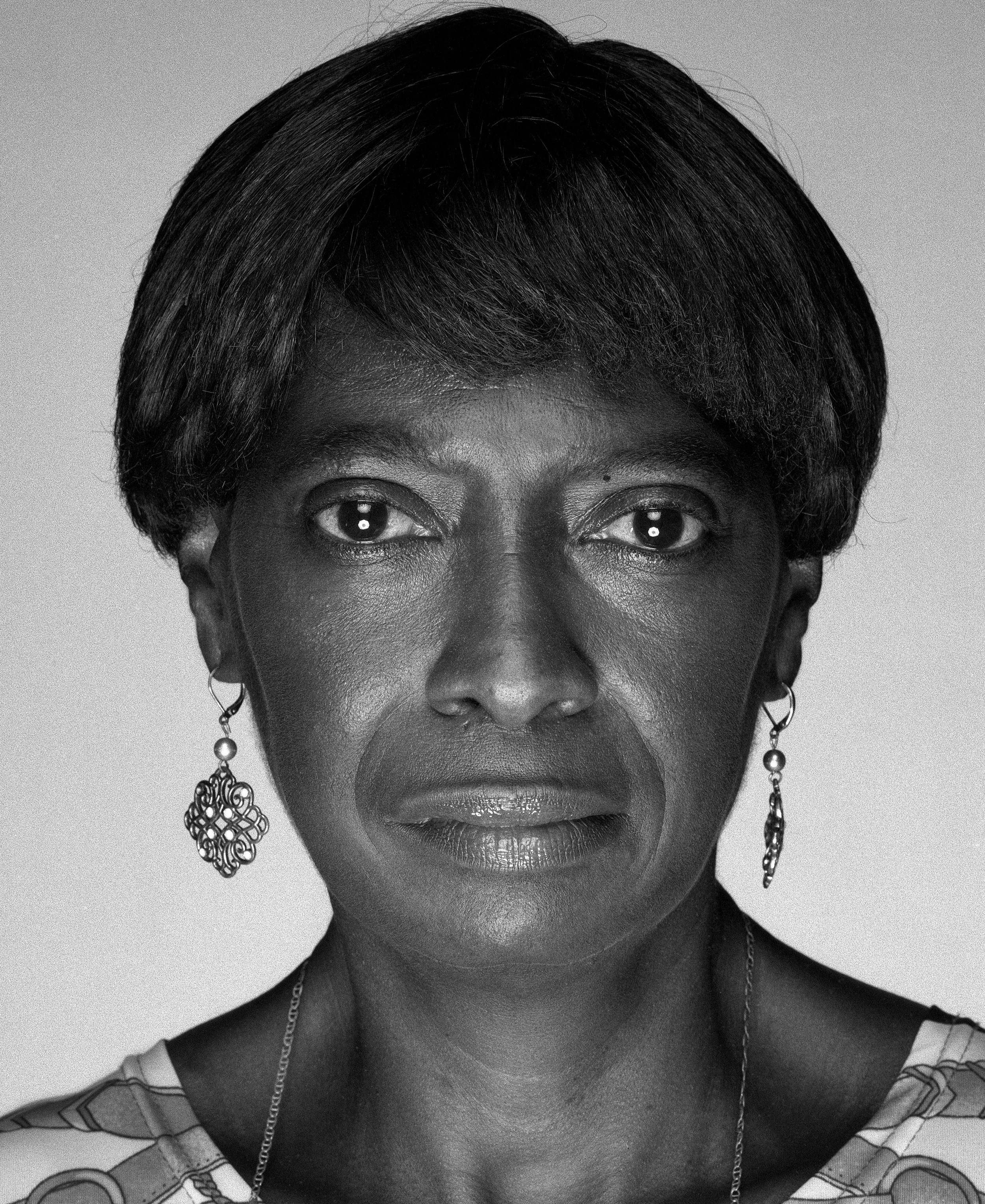
Bárbara (Dayron´s Mother)
Dayron
The portraits show women with very different expressions and attitudes: some appear calm, others seem troubled; some convey strength, while others express sadness or joy. This diversity speaks to the many different ways motherhood is experienced and resists reducing it to a single narrative of suffering or sacrifice. Recognizing the inequalities that shape their lives also means recognizing the work they do and, above all, who they are beyond that work. By placing their faces and voices at the center, the project proposes an exercise in recognition that neither turns them into victims nor defines them exclusively through their caregiving responsibilities, but instead brings us closer to their experiences, their stories, and their individuality.
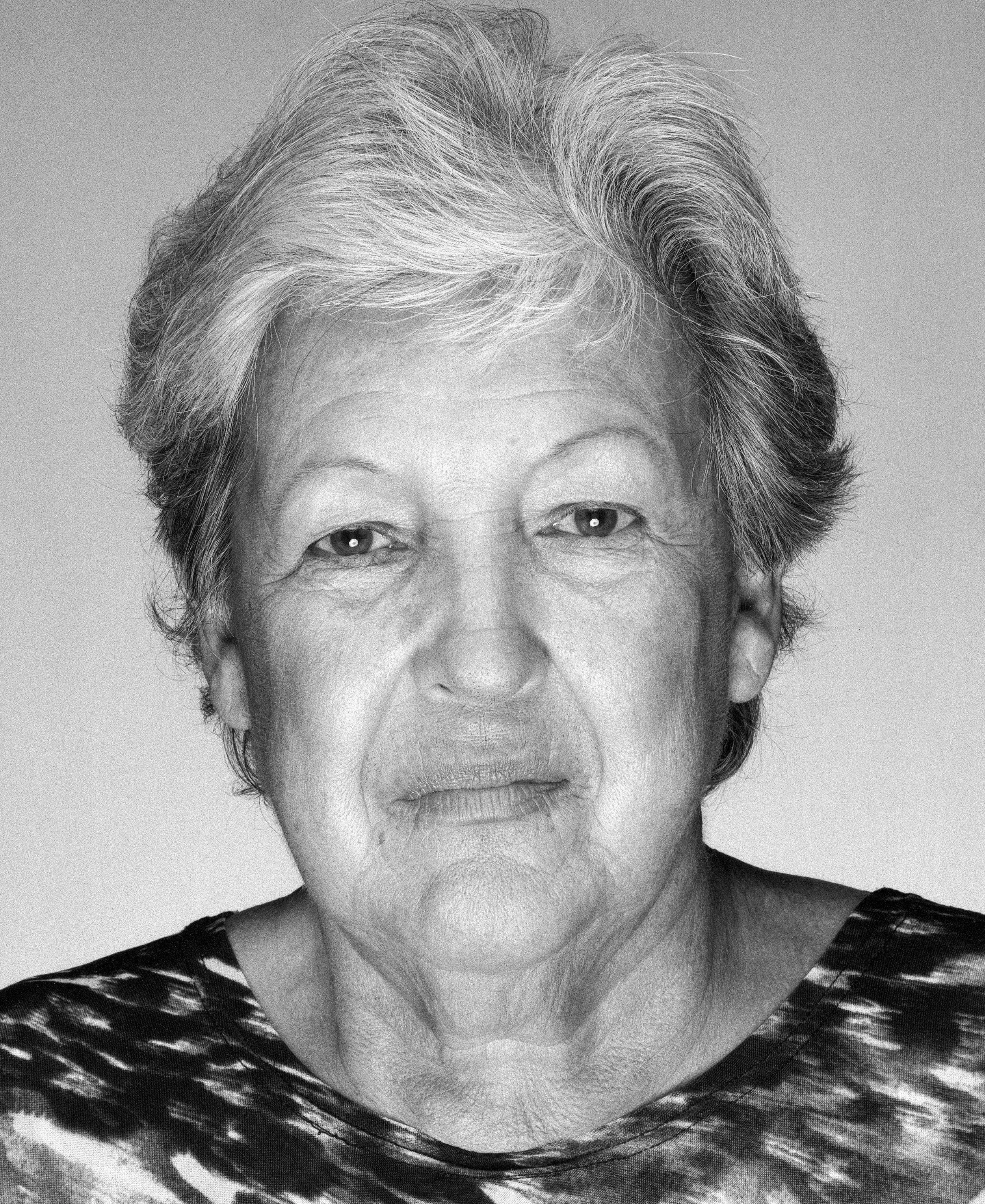
Aime (Oney´s Mother)
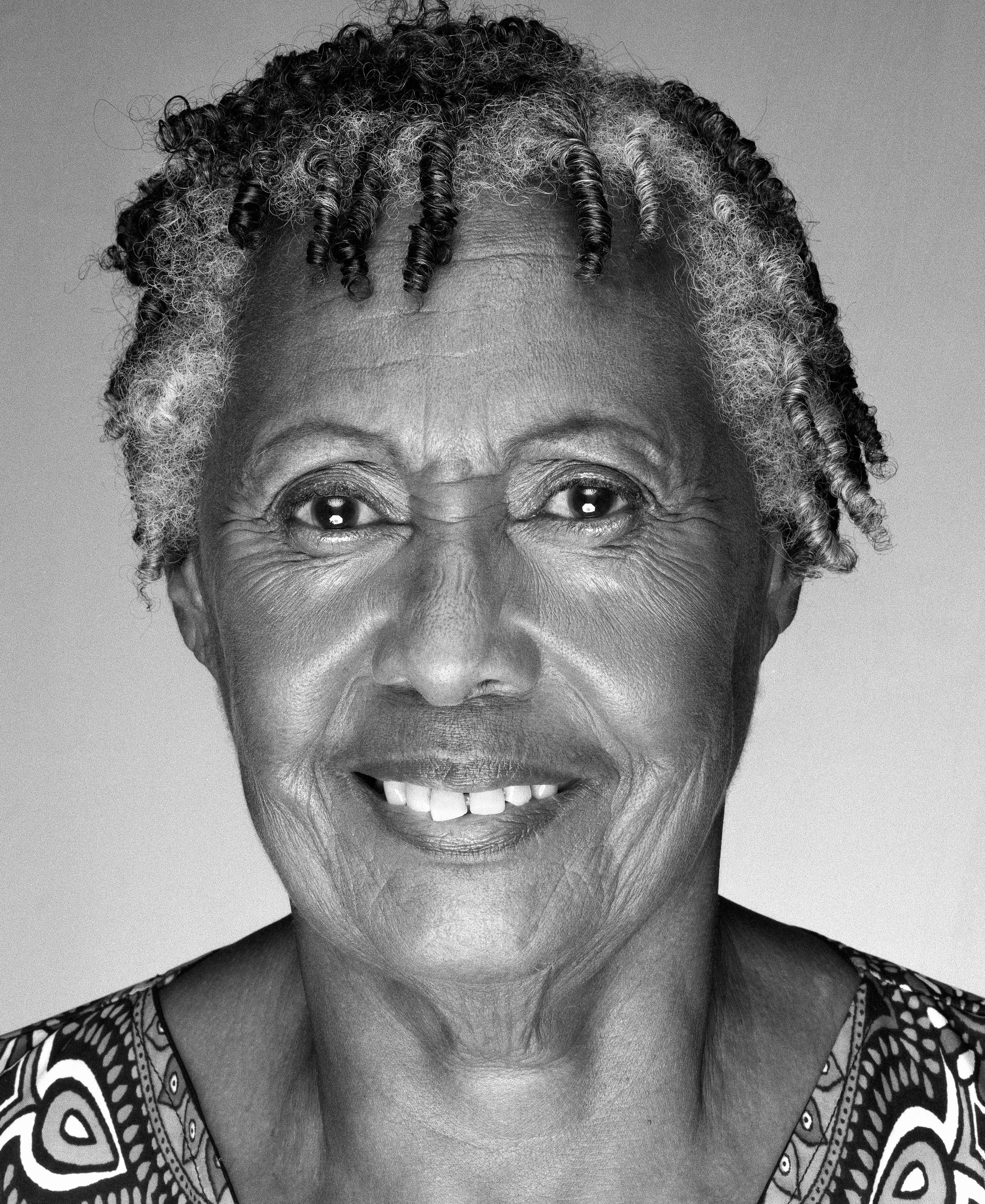
Nancy (Lizzie´s Mother)
Lizzie
Sound installation | SEE: An Exercise in Recognition
This sound installation brings together fragments of conversations with the mothers of young people participating in Quinta de los Molinos’ social inclusion program in Havana.
Through their voices, the mothers share memories, personal experiences, and reflections on motherhood and caregiving. Their accounts speak of the everyday realities of raising their children, as well as the challenges, affections, and contradictions that shape their lives.
The audio does not seek to explain the portraits, but to create a space for these women to speak in their own voices and be heard beyond their roles as caregivers.